Want to predict your cloud costs with precision? The AWS Calculator is your ultimate tool for estimating, optimizing, and managing expenses across Amazon’s vast ecosystem of services. Let’s dive into how you can use it like a pro.


What Is the AWS Calculator and Why It Matters

The AWS Calculator, officially known as the AWS Pricing Calculator or AWS Cost Calculator, is a free online tool provided by Amazon Web Services (AWS) to help users estimate the cost of using AWS services before deployment. Whether you’re a startup founder, a DevOps engineer, or a CFO, understanding your potential cloud spend is critical for budgeting, forecasting, and avoiding surprise bills.
Understanding the Core Purpose of the AWS Calculator
The primary goal of the AWS Calculator is to provide transparency in pricing. Unlike traditional on-premise infrastructure, where costs are often predictable and fixed, cloud computing operates on a pay-as-you-go model. This flexibility is powerful but can lead to unpredictable bills if not managed properly.
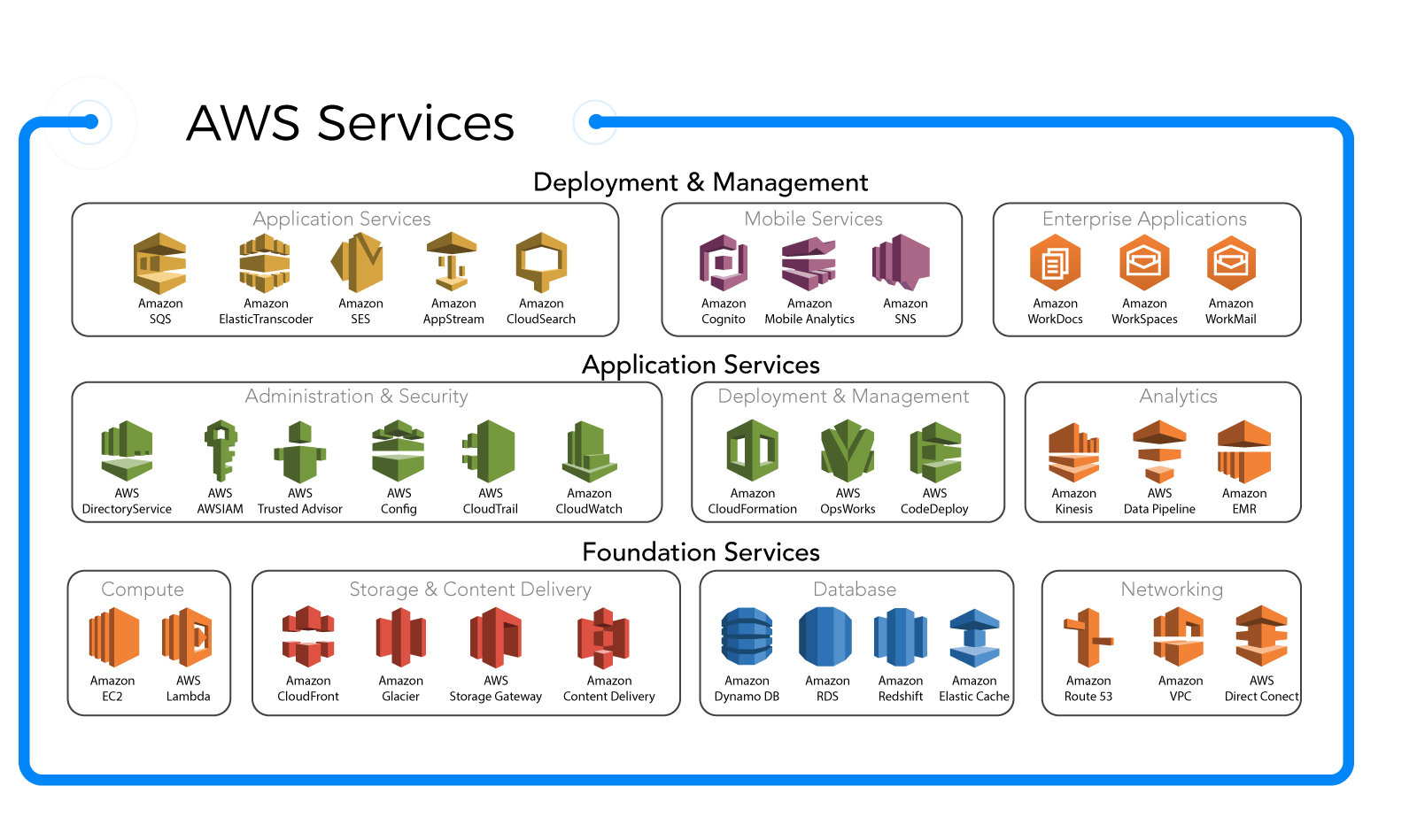
With the AWS Calculator, you can simulate different configurations—such as EC2 instances, S3 storage, data transfer, and Lambda functions—and instantly see estimated monthly costs. This empowers teams to make informed decisions before committing resources.
- It supports over 200 AWS services.
- Users can model complex architectures with multiple regions and usage patterns.
- Estimates can be exported for sharing with stakeholders.
Different Types of AWS Calculators
While most people refer to the “AWS Calculator” as a single tool, AWS actually offers several related tools under its cost management umbrella:
AWS Pricing Calculator: The main tool for building custom estimates.Access it here: https://calculator.aws.AWS Simple Monthly Calculator: A legacy version, now largely replaced by the newer pricing calculator.AWS Total Cost of Ownership (TCO) Calculator: Compares on-premise costs with AWS cloud costs.Learn more: https://aws.amazon.com/tco-calculator.
.AWS Cost Explorer: Not a calculator per se, but a post-deployment tool for analyzing actual usage and spending trends.”The AWS Calculator isn’t just for engineers—it’s a financial planning tool that bridges the gap between technical design and business budgeting.”
How to Use the AWS Calculator Step by Step
Navigating the AWS Calculator might seem overwhelming at first due to the sheer number of services and options available.However, breaking it down into steps makes the process intuitive and efficient.Let’s walk through how to create an accurate cost estimate from scratch..
Step 1: Access the AWS Pricing Calculator
Go to calculator.aws and sign in with your AWS account (optional but recommended for saving estimates). Once inside, you’ll land on a clean interface where you can start adding services.
You can choose between creating a new estimate or loading a saved one. For beginners, starting fresh is ideal.
Step 2: Add AWS Services to Your Estimate
Click on “Add Service” and begin selecting the components of your architecture. Common services include:
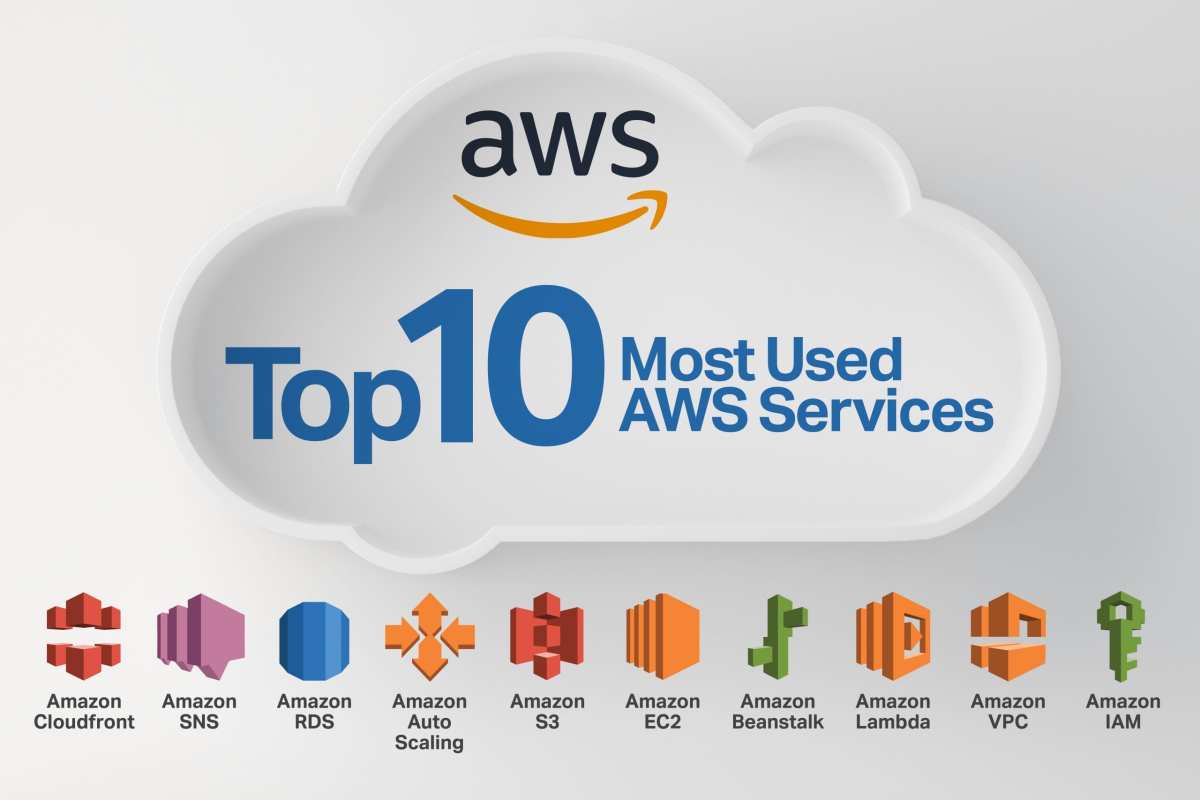
- Amazon EC2: Virtual servers in the cloud.
- Amazon S3: Object storage for backups, media, and data lakes.
- Amazon RDS: Managed relational databases.
- AWS Lambda: Serverless compute functions.
- Amazon CloudFront: Content delivery network (CDN).
Each service added opens a configuration panel where you input usage details such as instance type, storage size, data transfer volume, and request counts.
Step 3: Configure Usage Details Accurately
This is where precision matters. For example, when configuring an EC2 instance:
- Select the region (e.g., US East – N. Virginia).
- Choose the instance family (e.g., t3.micro, m5.large).
- Specify the number of hours per day and days per month the instance will run.
- Add EBS storage if needed (e.g., 50 GB gp3 volume).
- Indicate whether you’re using On-Demand, Reserved, or Spot Instances.
For S3, you’ll need to specify:
- Amount of data stored (in GB or TB).
- Number of PUT, COPY, POST, or LIST requests.
- Data transfer out to the internet (in GB).
- Storage class (Standard, Intelligent-Tiering, Glacier, etc.).
The more accurate your inputs, the better your estimate will reflect real-world costs.
Key Features of the AWS Calculator That Save You Money
The AWS Calculator isn’t just a number generator—it’s packed with intelligent features designed to help you optimize spending. Understanding these tools can turn a basic estimate into a strategic financial document.
Real-Time Cost Updates as You Modify Configurations
One of the most powerful aspects of the AWS Calculator is its dynamic interface. As soon as you change an input—like switching from an m5.xlarge to a c5.large instance—the total monthly cost updates instantly.
This real-time feedback loop allows for rapid iteration. You can test multiple scenarios side-by-side to find the most cost-effective setup without needing spreadsheets or manual calculations.
Support for Reserved Instances and Savings Plans
The calculator includes options to model cost savings from Reserved Instances (RIs) and Savings Plans. These are commitment-based pricing models that can reduce your compute costs by up to 72% compared to On-Demand pricing.
When configuring EC2 or Lambda, you can toggle between:
- On-Demand (no commitment, highest hourly rate).
- Reserved Instance (1-year or 3-year term, significant discount).
- Savings Plan (flexible commitment, applies across families and regions).
The AWS Calculator automatically computes the effective hourly rate and total savings based on your selected option, helping you evaluate ROI on long-term commitments.
Multi-Region and Multi-Account Support
Enterprises often operate across multiple AWS regions and accounts. The AWS Calculator supports this complexity by allowing you to add services in different geographic locations within the same estimate.
For example, you can model:
- EC2 instances in us-east-1 and eu-west-1.
- S3 buckets in ap-southeast-2 with cross-region replication.
- Data transfer costs between regions.
This is crucial because pricing varies by region. A t3.medium instance costs more in Switzerland than in Ohio. The calculator ensures regional differences are factored into your total.
Common Mistakes When Using the AWS Calculator
Even experienced users can fall into traps when estimating costs. Avoiding these common pitfalls can prevent underestimation and budget overruns.
Underestimating Data Transfer Costs
One of the most frequently overlooked cost components is data transfer. While inbound data is free on AWS, outbound data—especially to the internet or between regions—can add up quickly.
For example:
- Transferring 10 TB of data from S3 to the internet in us-east-1 costs approximately $90.
- Cross-region replication between us-west-2 and eu-central-1 incurs both transfer fees and request charges.
Always include realistic data egress estimates in your AWS Calculator model. Use historical data or projections based on user traffic to avoid surprises.
Ignoring Free Tier Limits
AWS offers a generous Free Tier for new accounts, including 750 hours of t2.micro EC2 usage per month for one year. However, the AWS Calculator does not automatically apply Free Tier discounts.
If you’re building an estimate for a new project, manually adjust your usage to reflect eligible free resources. Otherwise, your estimate may be artificially high.
“The AWS Calculator assumes full pricing—always cross-check with Free Tier eligibility if you’re in your first 12 months.”
Overlooking Hidden or Indirect Costs
Some costs aren’t immediately obvious in the AWS Calculator unless you dig deeper. Examples include:
- ELB (Elastic Load Balancer) hourly charges and per-LCU (Load Balancer Capacity Unit) fees.
- NAT Gateway costs: $0.045 per hour + data processing fees.
- API Gateway request charges: $1.00 per million requests.
- CloudWatch Logs retention and ingestion fees.
Be sure to add all relevant services—even the small ones. A single NAT Gateway can cost over $30/month, which adds up across environments.
Advanced Strategies for Optimizing with the AWS Calculator
Once you’ve mastered the basics, you can use the AWS Calculator for strategic planning, cost benchmarking, and financial forecasting.
Compare On-Premises vs. Cloud with the TCO Calculator
The AWS TCO Calculator integrates with your cost estimates to show how migrating to AWS compares financially with maintaining on-premise data centers.
It factors in:
- Hardware acquisition and refresh cycles.
- Power, cooling, and physical space costs.
- IT labor and maintenance.
- Downtime and scalability limitations.
By combining TCO insights with your AWS Calculator estimate, you can build a compelling business case for cloud migration.
Model Different Scaling Scenarios
Use the AWS Calculator to simulate various growth trajectories. For instance:
- Baseline Scenario: 10 EC2 instances, 5 TB S3, 100k Lambda invocations.
- High-Growth Scenario: 50 EC2 instances, 50 TB S3, 1M Lambda invocations.
- Optimized Scenario: Same workload using Auto Scaling, Spot Instances, and S3 Intelligent-Tiering.
Comparing these scenarios helps leadership understand cost implications of user growth and technical decisions.
Integrate with Budgeting and Forecasting Tools
Once your estimate is complete, export it as a CSV or PDF and import it into financial planning software like Excel, Google Sheets, or enterprise tools like Anaplan or Adaptive Insights.
You can also link your AWS Calculator estimate with AWS Budgets to set alerts when actual spending exceeds projections.
Real-World Use Cases of the AWS Calculator
The AWS Calculator isn’t just theoretical—it’s used daily by organizations worldwide to plan real infrastructure. Here are three practical examples.
Startup Launching a Web Application
A tech startup building a SaaS platform uses the AWS Calculator to estimate costs for:
- 2 t3.small EC2 instances behind an Application Load Balancer.
- RDS PostgreSQL database (db.t3.medium).
- 500 GB S3 storage for user uploads.
- CloudFront distribution for global content delivery.
- Lambda functions for image processing.
Their initial estimate comes to $420/month. By applying Reserved Instance discounts and using S3 Intelligent-Tiering, they reduce it to $310/month—a 26% savings.
Enterprise Migrating Legacy Systems
A Fortune 500 company planning a multi-year cloud migration uses the AWS Calculator to model the cost of moving 200 on-premise servers to AWS. They simulate:
- Migration using AWS Server Migration Service (SMS).
- Running workloads on m5.2xlarge instances with EBS optimization.
- Backup and disaster recovery with AWS Backup and S3 Glacier.
- Networking with Direct Connect and Transit Gateway.
The estimate helps them secure $2.3M in cloud funding from the board by showing a 5-year TCO reduction of 38%.
Developer Building a Personal Project
An indie developer creating a blog with static site generation uses the AWS Calculator to stay within the Free Tier. They configure:
- Amazon S3 for hosting static files (within 5 GB free limit).
- CloudFront for caching (first 1 TB free).
- Lambda@Edge for custom headers (within 1M free requests).
- Route 53 for domain registration (first year free).
Their final estimate shows $0/month, confirming the project can run entirely on AWS Free Tier.
Alternatives and Complementary Tools to the AWS Calculator
While the AWS Calculator is the official tool, third-party solutions and internal AWS services can enhance your cost modeling.
Third-Party Cost Estimation Tools
Several external platforms offer enhanced visualization, team collaboration, and integration with CI/CD pipelines:
- CloudHealth by VMware: Provides advanced cost allocation, anomaly detection, and showback/chargeback reporting.
- CloudCheckr: Offers compliance monitoring alongside cost optimization.
- Spot.io (by NetApp): Specializes in serverless and container cost management.
- Cast.ai: Automates cost optimization for Kubernetes clusters.
These tools often pull real usage data from your AWS account and provide more granular recommendations than the AWS Calculator alone.
Leveraging AWS Cost Explorer for Post-Deployment Analysis
After deployment, switch from estimation to analysis using AWS Cost Explorer. This tool visualizes your actual spending trends over time, breaks down costs by service, and forecasts future spend based on historical data.
Compare your original AWS Calculator estimate with Cost Explorer data to refine future models and improve accuracy.
Using AWS Budgets to Enforce Financial Controls
AWS Budgets allows you to set custom cost and usage thresholds. For example:
- Create a budget for $500/month on EC2.
- Receive email alerts at 80% and 100% of budget.
- Integrate with AWS SNS and Lambda for automated responses (e.g., shutting down non-critical instances).
This closes the loop between planning (AWS Calculator) and enforcement (AWS Budgets).
Future of the AWS Calculator: Trends and Predictions
As cloud environments grow more complex, the AWS Calculator is evolving to meet new demands in AI, sustainability, and real-time analytics.
Integration with Machine Learning for Smarter Forecasting
AWS is likely to incorporate machine learning into the calculator to predict usage patterns based on historical data, seasonal trends, and business growth rates. Imagine uploading past logs and getting an AI-powered cost forecast with confidence intervals.
This would reduce manual input errors and improve estimation accuracy for dynamic workloads.
Carbon Footprint Estimation Features
Sustainability is a growing concern. AWS already provides the AWS Customer Carbon Footprint Tool, which estimates CO2 emissions from your cloud usage.
In the future, the AWS Calculator could display both cost and carbon impact side-by-side, enabling greener architectural decisions—like choosing regions powered by renewable energy.
Real-Time Collaboration and Version Control
Currently, the AWS Calculator lacks built-in collaboration features. Future updates may include:
- Shared estimates with role-based access.
- Version history and change tracking.
- Comments and approval workflows.
This would make the AWS Calculator a true team-based financial planning platform, especially valuable for large enterprises.
What is the AWS Calculator used for?
The AWS Calculator is used to estimate the monthly cost of running AWS services based on your specific configuration. It helps users plan budgets, compare pricing models, and avoid unexpected charges by simulating usage before deployment.
Is the AWS Calculator accurate?
The AWS Calculator provides highly accurate estimates if inputs are precise. However, it cannot account for unexpected usage spikes, hidden service interactions, or dynamic scaling. Always monitor actual costs with AWS Cost Explorer after deployment.
Can I save my estimates in the AWS Calculator?
Yes, if you’re signed in to your AWS account, you can save, name, and organize multiple estimates. This allows you to revisit and modify them later, making it easier to compare different architectural designs.
Does the AWS Calculator include Free Tier credits?
No, the AWS Calculator does not automatically apply Free Tier discounts. You must manually adjust usage to reflect eligible free tiers, especially if you’re a new AWS customer within your first 12 months.
How do I reduce costs using the AWS Calculator?
Use the AWS Calculator to compare On-Demand vs. Reserved Instances, test different instance types, optimize storage classes, and eliminate unnecessary services. Modeling various scenarios helps identify the most cost-efficient architecture.
The AWS Calculator is far more than a simple price lookup tool—it’s a strategic asset for anyone using or planning to use AWS. From startups to enterprises, accurate cost estimation is essential for financial control, technical planning, and business agility. By mastering its features, avoiding common mistakes, and integrating it with other AWS cost management tools, you can build robust, cost-efficient cloud architectures. Whether you’re launching a new app, migrating legacy systems, or just exploring the cloud, the AWS Calculator should be your first stop.
Further Reading: