Thinking about a career in cloud computing? AWS certifications are your golden ticket. Trusted by millions, these credentials validate your expertise and open doors to high-paying jobs and global opportunities. Let’s dive into the ultimate roadmap.


AWS Certifications: The Ultimate Gateway to Cloud Mastery

Amazon Web Services (AWS) dominates the cloud computing market with over 30% global share, making AWS certifications one of the most sought-after credentials in IT today. Whether you’re starting fresh or leveling up your tech career, earning an AWS certification signals to employers that you possess real-world skills in designing, deploying, and managing cloud infrastructure.
These certifications are not just badges—they’re career accelerators. According to AWS’s official certification page, certified professionals report higher salaries, increased confidence, and better job performance. With structured paths from foundational to expert levels, AWS ensures every learner has a clear progression path.
Why AWS Dominates the Cloud Market
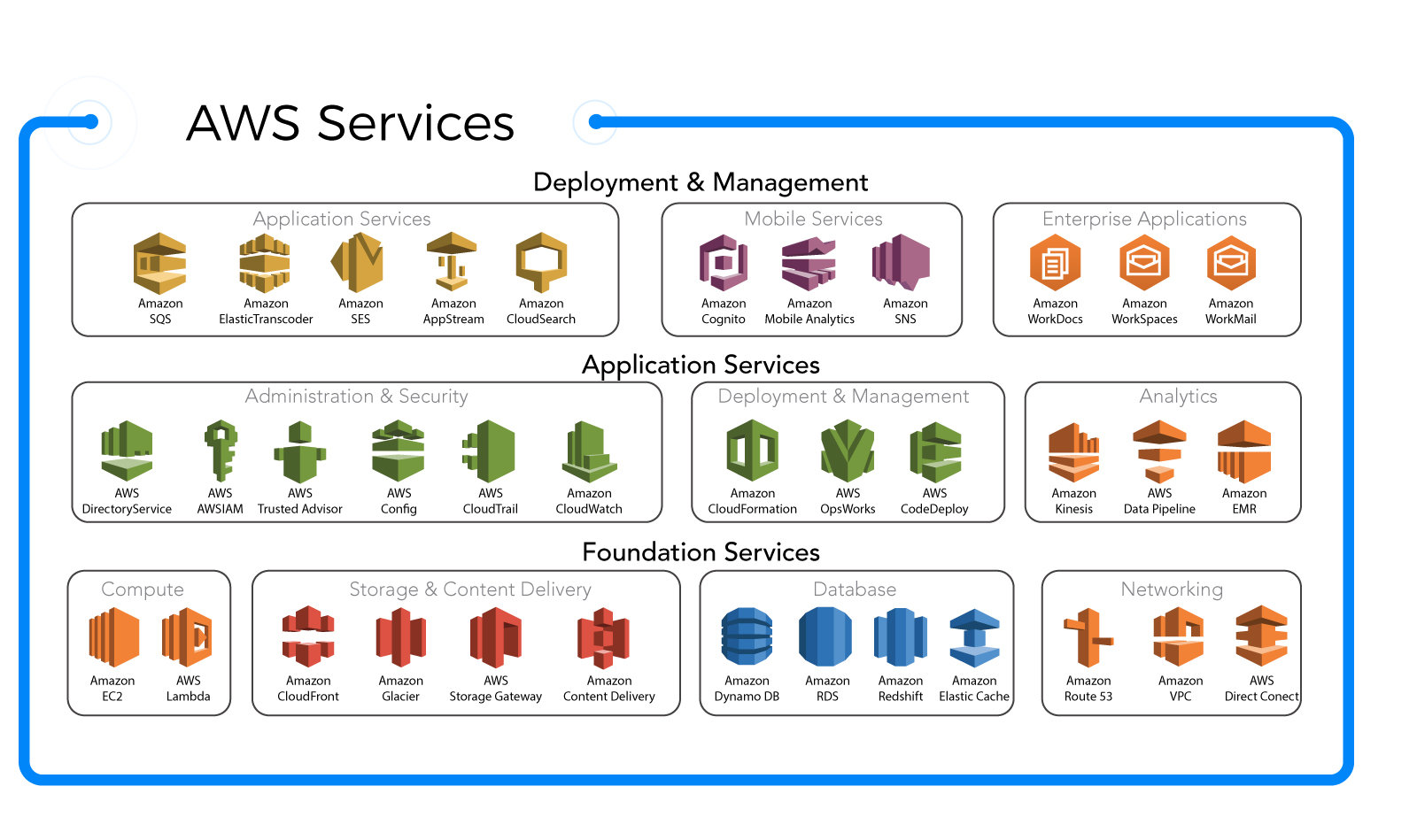
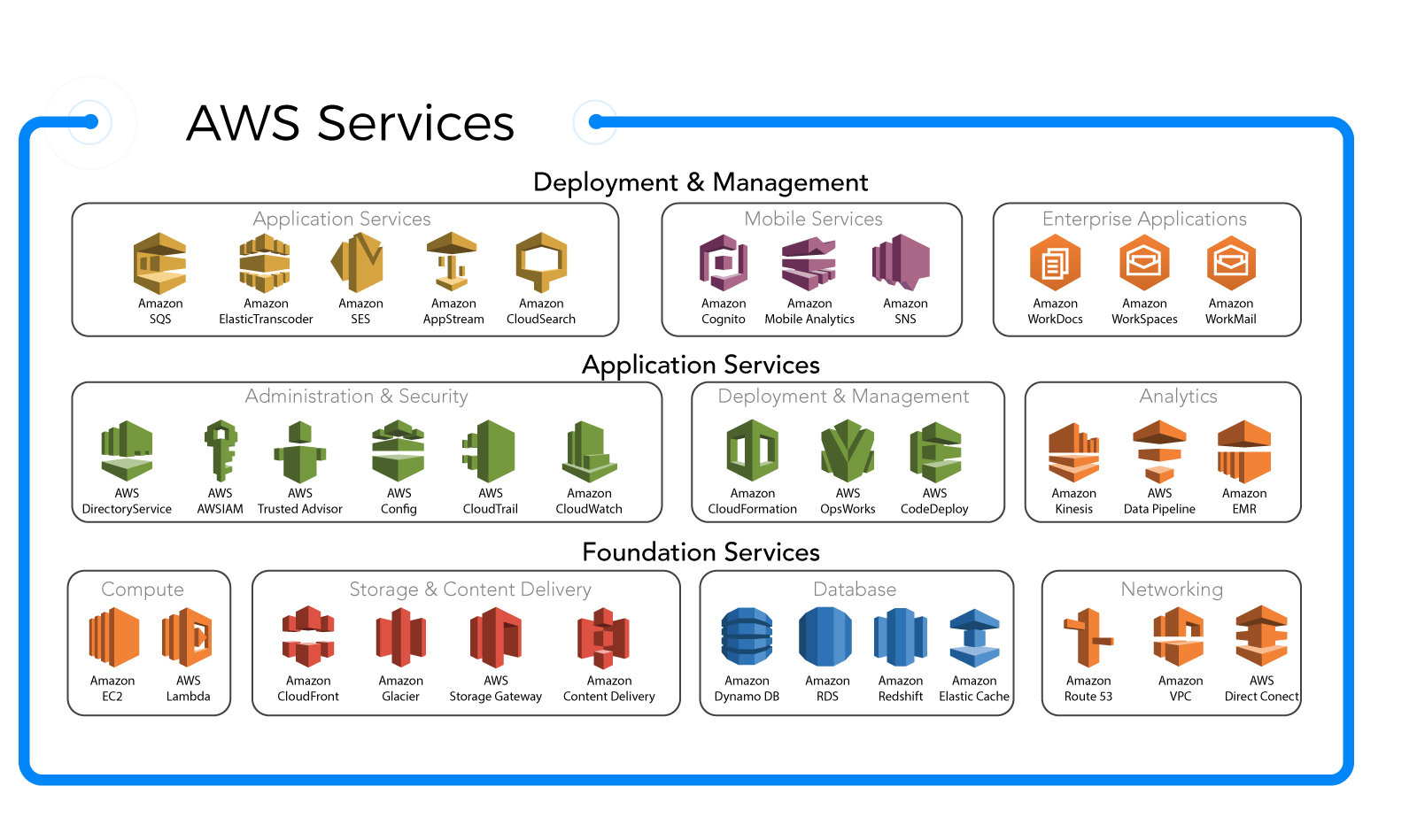
AWS launched in 2006 and quickly became the pioneer of modern cloud computing. Today, it powers major platforms like Netflix, Airbnb, and even government agencies. Its vast service portfolio—spanning compute, storage, databases, machine learning, and security—makes it the go-to platform for enterprises worldwide.
- AWS holds the largest market share in cloud infrastructure services.
- It offers more regions and availability zones than any other provider.
- Continuous innovation keeps AWS ahead of competitors like Microsoft Azure and Google Cloud.
This dominance means that AWS skills are in constant demand. Companies actively seek professionals who can navigate its ecosystem efficiently—making certifications a strategic investment.
The Tangible Benefits of AWS Certifications
Earning an AWS certification isn’t just about passing an exam—it’s about unlocking real-world advantages:
Higher Earning Potential: Certified professionals earn up to 25% more than non-certified peers (source: CBT Nuggets Salary Report).Global Recognition: AWS certs are respected across continents and industries.Career Advancement: Many IT managers and architects require certification as a prerequisite for promotion.Skill Validation: Exams test practical knowledge, ensuring you can apply concepts in real environments.”Certification gave me the confidence to lead cloud migrations at my company.It wasn’t just theory—it was proof I could deliver.” — Sarah Kim, AWS Solutions ArchitectUnderstanding the AWS Certification HierarchyAWS has designed a tiered certification structure that aligns with career progression..
From beginners to seasoned experts, there’s a certification path for everyone.This hierarchy ensures that candidates build knowledge step by step, avoiding gaps in understanding..
The model follows five levels: Foundational, Associate, Professional, Specialty, and the elite AWS Certified Builder – though the latter is still emerging in discussion. Each level demands increasing technical depth and hands-on experience.
Foundational Level: AWS Certified Cloud Practitioner
This is the entry point for anyone new to AWS. The Cloud Practitioner exam validates a candidate’s overall understanding of the AWS Cloud, including core services, billing, security, and support.
Who should take it?
- Non-technical roles (sales, finance, management)
- Students exploring cloud careers
- IT professionals transitioning from on-premise systems
No prior AWS experience is required, but AWS recommends at least six months of exposure to AWS Cloud concepts. The exam focuses on multiple-choice questions covering four domains: cloud concepts, security, technology, and billing.
Associate Level: The Core Technical Milestone
The Associate tier is where technical depth begins. There are three main certifications under this level:
- AWS Certified Solutions Architect – Associate
- AWS Certified Developer – Associate
- AWS Certified SysOps Administrator – Associate
Each targets a specific role. For example, Solutions Architects design applications, Developers write and deploy code, and SysOps Administrators manage operations. These exams require hands-on experience—typically one year of practical work with AWS.
They test your ability to deploy scalable, secure, and cost-effective applications using AWS services. Passing one of these is often a requirement for mid-level cloud roles.
Professional-Level AWS Certifications: For the Elite Few
If Associate certifications prove competence, Professional certifications prove mastery. These are among the most challenging IT exams globally and are designed for experienced practitioners who lead complex cloud initiatives.
There are two main Professional certifications:
aws certifications – Aws certifications menjadi aspek penting yang dibahas di sini.
- AWS Certified Solutions Architect – Professional
- AWS Certified DevOps Engineer – Professional
Both require passing the corresponding Associate exam first and having at least two to four years of hands-on AWS experience. The questions are scenario-based, requiring deep architectural thinking and trade-off analysis.
AWS Certified Solutions Architect – Professional
This certification is for architects who design large-scale, distributed systems on AWS. You’ll be tested on advanced topics like:
- Multi-account strategies using AWS Organizations
- Hybrid cloud architectures with AWS Direct Connect or Site-to-Site VPN
- Disaster recovery planning across regions
- Cost optimization for enterprise workloads
According to AWS’s official guide, candidates must demonstrate the ability to make architectural decisions based on business requirements, compliance needs, and performance goals.
AWS Certified DevOps Engineer – Professional
This cert bridges development and operations, focusing on automation, CI/CD pipelines, monitoring, and infrastructure as code (IaC). Key tools include AWS CodePipeline, CodeBuild, CloudFormation, and CloudWatch.
Success in this exam means you can:
- Automate deployments across environments
- Implement blue/green or canary deployments
- Design self-healing systems using Auto Scaling and health checks
- Secure pipelines with IAM roles and secrets management
It’s ideal for engineers working in agile teams where speed, reliability, and security are non-negotiable.
Specialty AWS Certifications: Deep Dive into Niche Expertise
Beyond the core tracks, AWS offers Specialty certifications for professionals who want to focus on specific domains. These are not entry-level; they require deep experience and often a prerequisite certification.
Specialty certs allow you to stand out in competitive fields like machine learning, security, and data analytics. They signal to employers that you’re not just a generalist—you’re a domain expert.
AWS Certified Security – Specialty
As cyber threats grow, cloud security is paramount. This certification validates your ability to secure AWS workloads using best practices in identity management, data protection, network security, and incident response.
Key areas include:
- Implementing AWS Identity and Access Management (IAM) policies
- Using AWS Key Management Service (KMS) and encryption
- Monitoring threats with Amazon GuardDuty and AWS Security Hub
- Compliance with standards like HIPAA, GDPR, and SOC
Many organizations now require this certification for cloud security roles. It’s also a stepping stone toward roles like Cloud Security Engineer or Chief Information Security Officer (CISO).
AWS Certified Machine Learning – Specialty
This is one of the most technically demanding certifications. It’s designed for data scientists and ML engineers who build, train, and deploy machine learning models on AWS.
You’ll need to master services like:
- Amazon SageMaker for end-to-end ML workflows
- Amazon Rekognition for image and video analysis
- Amazon Comprehend for natural language processing
- Deep Learning AMIs and frameworks like TensorFlow and PyTorch
The exam tests your ability to preprocess data, select appropriate algorithms, optimize models, and deploy them at scale. A strong background in Python and statistics is essential.
AWS Certified Data Analytics – Specialty
Data is the new oil, and AWS provides powerful tools to extract value from it. This certification focuses on designing and implementing data lakes, pipelines, and analytics solutions.
Core services include:
- Amazon S3 for scalable storage
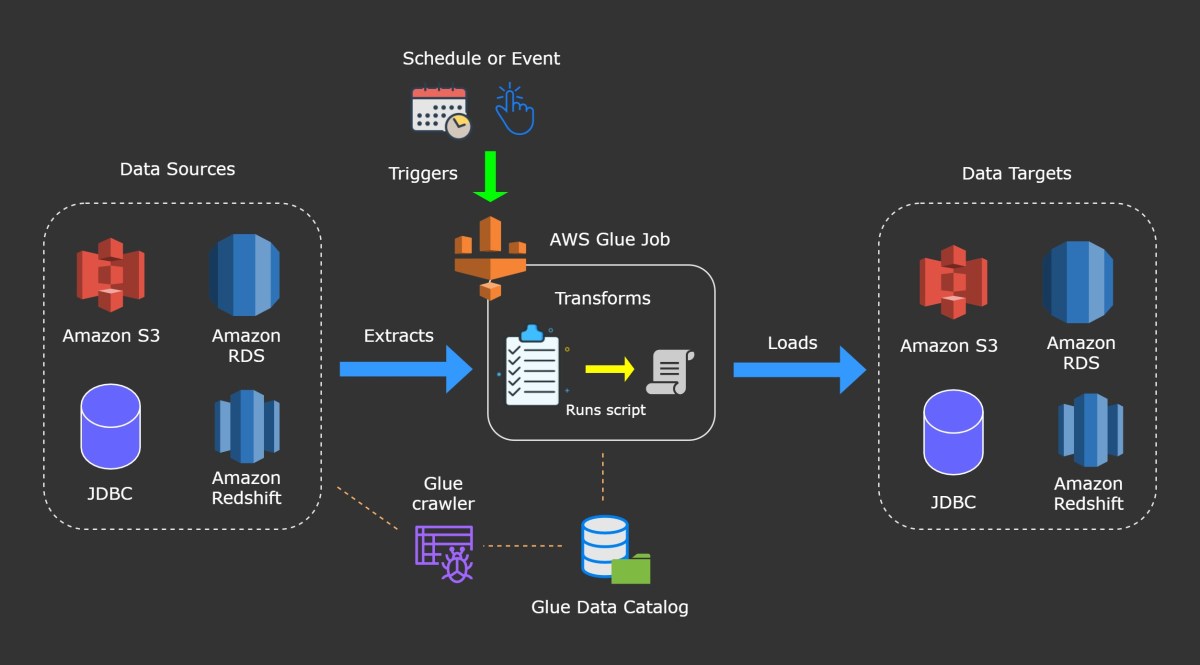
- AWS Glue for ETL (Extract, Transform, Load)
- Amazon Redshift for data warehousing
- Amazon Kinesis for real-time streaming
- Amazon Athena for serverless querying
Candidates must understand data formats, partitioning strategies, and performance tuning. This cert is ideal for data engineers, analysts, and BI professionals aiming to work in data-driven organizations.
aws certifications – Aws certifications menjadi aspek penting yang dibahas di sini.
AWS Certifications for Database Experts
With the rise of cloud-native databases, AWS introduced the AWS Certified Database – Specialty certification. This validates expertise in database design, migration, and management across relational, NoSQL, and data warehouse engines.
It covers:
- Amazon RDS (MySQL, PostgreSQL, Oracle, SQL Server)
- Amazon Aurora for high-performance MySQL/PostgreSQL compatibility
- Amazon DynamoDB for NoSQL workloads
- Amazon DocumentDB and Neptune for specialized use cases
- Migration strategies using AWS Database Migration Service (DMS)
Database administrators (DBAs) transitioning to the cloud find this certification invaluable. It proves they can manage performance, availability, backup, and security in distributed environments.
Designing Scalable and Secure Database Architectures
A key focus of the exam is designing databases that scale with demand while maintaining security and compliance. You’ll learn how to:
- Implement read replicas and sharding for performance
- Use encryption at rest and in transit
- Apply fine-grained access controls via IAM
- Monitor database health with Amazon CloudWatch and RDS Performance Insights
Real-world scenarios often involve migrating legacy databases to AWS with minimal downtime—skills directly tested in the certification.
Performance Tuning and Cost Optimization
One of the biggest challenges in database management is balancing performance with cost. AWS provides tools like:
- Reserved Instances for predictable workloads
- Serverless options like Aurora Serverless and DynamoDB On-Demand
- Automated scaling based on metrics
- Cost Explorer to analyze spending patterns
The certification ensures you can recommend the right database engine and pricing model based on workload characteristics.
How to Prepare for AWS Certifications: A Step-by-Step Guide
Passing an AWS certification exam requires more than just reading documentation. A structured approach increases your chances of success significantly.
Step 1: Choose the Right Certification Path
Start by assessing your current role, experience, and career goals. Ask yourself:
- Am I new to cloud computing? → Start with Cloud Practitioner.
- Do I design applications? → Aim for Solutions Architect.
- Do I write code? → Developer Associate is ideal.
- Do I manage infrastructure? → SysOps Administrator fits best.
Use the AWS Certification Prep page to explore role-based learning paths.
Step 2: Build Hands-On Experience
No amount of theory replaces actual practice. AWS offers a Free Tier that lets you explore core services at no cost for 12 months. Use it to:
- Create EC2 instances and configure security groups
- Set up S3 buckets and apply bucket policies
- Deploy a simple web app using Elastic Beanstalk
- Practice IAM user and role creation
Hands-on labs from platforms like A Cloud Guru, Coursera, or Udemy provide guided exercises that simulate real exam tasks.
Step 3: Study with Official and Community Resources
AWS provides free study guides, sample questions, and exam blueprints. Supplement these with:
- Official AWS Training Courses (digital or classroom)
- YouTube channels like TechStudyCell and FreeCodeCamp
- Practice exams from Tutorials Dojo and Whizlabs
- Community forums like Reddit’s r/AWSCertifications
Practice tests are crucial—they help you identify weak areas and get comfortable with the exam format.
The Future of AWS Certifications: Trends and Predictions
The cloud landscape is evolving rapidly, and so are AWS certifications. Staying ahead means understanding where the industry is headed.
Emergence of AI and ML Integration
As artificial intelligence becomes mainstream, AWS is integrating AI capabilities across its services. Expect future certifications to emphasize:
- Using Amazon Bedrock for generative AI applications
- Building agent-based systems with AWS Agents
- Implementing responsible AI practices
- Monitoring model drift and bias
The Machine Learning – Specialty cert will likely expand to include these new tools, making it even more valuable.
aws certifications – Aws certifications menjadi aspek penting yang dibahas di sini.
Focus on Sustainability and Green Cloud Computing
Sustainability is becoming a boardroom priority. AWS has committed to powering its operations with 100% renewable energy by 2025. Future certifications may include topics like:
- Designing energy-efficient architectures
- Measuring carbon footprint using AWS Customer Carbon Footprint Tool
- Choosing regions with lower environmental impact
- Optimizing resource usage to reduce waste
These skills will be critical for organizations aiming to meet ESG (Environmental, Social, and Governance) goals.
Increased Emphasis on Multi-Cloud and Hybrid Environments
While AWS leads the market, many companies use multiple cloud providers. Future certifications might address:
- Integrating AWS with Azure and GCP using tools like AWS CloudFormation and Terraform
- Managing workloads across on-premises and cloud environments
- Ensuring consistent security policies across platforms
This shift will require architects to think beyond a single vendor, making cross-platform knowledge essential.
What are the most in-demand AWS certifications in 2024?
The most in-demand AWS certifications in 2024 are AWS Certified Solutions Architect – Associate, AWS Certified Cloud Practitioner, AWS Certified DevOps Engineer – Professional, and AWS Certified Security – Specialty. These credentials align with high-growth areas like cloud migration, automation, and cybersecurity.
How long does it take to prepare for an AWS certification?
Preparation time varies by level. Cloud Practitioner: 4–6 weeks with part-time study. Associate level: 8–12 weeks with hands-on practice. Professional and Specialty certs: 3–6 months due to complexity and experience requirements.
Are AWS certifications worth it for career growth?
Absolutely. AWS certifications enhance job prospects, increase earning potential, and validate technical expertise. Employers view them as proof of commitment and skill, especially in competitive tech markets.
Can I take AWS certification exams online?
Yes, AWS certification exams can be taken online via Pearson VUE’s remote proctoring service. You’ll need a quiet environment, a webcam, and a stable internet connection. Some testing centers also offer in-person options.
Do AWS certifications expire?
Yes, all AWS certifications are valid for three years. To maintain your credential, you must recertify by passing the same or a higher-level exam before expiration. AWS sends reminders and offers discounted retakes for eligible candidates.
Amazon Web Services continues to shape the future of technology, and AWS certifications remain the gold standard for proving cloud expertise. From foundational knowledge to advanced specialties, these credentials offer a clear path to career success. Whether you’re aiming to become a solutions architect, security expert, or data engineer, there’s a certification tailored to your goals. By investing time in preparation and staying updated with industry trends, you position yourself at the forefront of the digital revolution. The cloud isn’t just the future—it’s the present, and AWS certifications are your passport to mastering it.
aws certifications – Aws certifications menjadi aspek penting yang dibahas di sini.
Further Reading: