Thinking about starting your cloud journey? The AWS Certified Cloud Practitioner certification is your golden ticket to understanding Amazon Web Services at a foundational level — and it’s easier than you think to get started.


What Is the AWS Certified Cloud Practitioner Certification?

The AWS Certified Cloud Practitioner is an entry-level certification offered by Amazon Web Services (AWS), designed for individuals who want to demonstrate a solid understanding of the AWS Cloud. It’s the perfect starting point for those new to cloud computing or professionals from non-technical backgrounds looking to validate their cloud knowledge.
Who Should Pursue This Certification?
This certification isn’t just for developers or IT pros. It’s ideal for sales, marketing, project managers, and even finance teams who work with cloud-based solutions. If your role involves decision-making, budgeting, or strategy around cloud technology, this certification helps you speak the language of the cloud fluently.
- Beginners with little to no technical background
- Non-technical professionals in cloud-adjacent roles
- Students exploring cloud careers
- Professionals aiming to transition into cloud roles
According to AWS, the exam validates your ability to define core AWS services, understand billing and pricing models, and grasp basic security and compliance aspects. It’s not about coding or deep technical configurations — it’s about foundational knowledge.
Prerequisites and Exam Requirements
One of the best things about the AWS Certified Cloud Practitioner exam is that there are no mandatory prerequisites. You don’t need prior certifications or years of experience. However, AWS recommends at least six months of exposure to AWS Cloud — whether through hands-on experience, training, or self-study.
The exam itself, known as CLF-C02 (as of 2023), consists of 65 multiple-choice and multiple-response questions, with a time limit of 90 minutes. You need a score of 700 out of 1000 to pass. More details about the exam structure can be found on the official AWS certification page.
“The Cloud Practitioner certification is the first step in building credibility in the AWS ecosystem. It shows you understand the ‘why’ behind the cloud, not just the ‘how.'” — AWS Training and Certification Team
Why the AWS Certified Cloud Practitioner Matters in 2024
In today’s digital-first economy, cloud literacy is no longer optional — it’s essential. Whether you’re in tech, finance, healthcare, or education, cloud infrastructure underpins modern business operations. The AWS Certified Cloud Practitioner certification proves you’re not just aware of the cloud — you understand its value.
Industry Recognition and Credibility
Earning the AWS Certified Cloud Practitioner badge signals to employers that you’re serious about technology and continuous learning. AWS is the market leader in cloud computing, holding over 30% of the global cloud infrastructure market share (Synergy Research Group, 2023). Being certified by the top provider instantly boosts your professional credibility.
Many companies, especially those in the AWS Partner Network, prioritize hiring or promoting individuals with AWS certifications. It’s a quick way for HR and hiring managers to filter candidates who have validated knowledge.
Foundation for Advanced AWS Certifications
Think of the AWS Certified Cloud Practitioner as the first rung on the AWS certification ladder. Once you’ve passed this exam, you’ll find it much easier to pursue more advanced certifications like AWS Solutions Architect, Developer, or DevOps Engineer.
It builds confidence and provides a structured understanding of AWS services, pricing, security, and architecture — all of which are critical for higher-level exams. Many professionals report that studying for the Cloud Practitioner exam helped them identify knowledge gaps early, making future certifications less intimidating.
Key Domains Covered in the AWS Certified Cloud Practitioner Exam
The CLF-C02 exam is divided into four main domains, each testing a different aspect of AWS Cloud knowledge. Understanding these domains is crucial for effective preparation.
Cloud Concepts (26% of the Exam)
This domain tests your understanding of fundamental cloud principles. You’ll need to know:
- The benefits of cloud computing (e.g., elasticity, scalability, cost-efficiency)
- Different cloud deployment models (public, private, hybrid)
- Cloud service models (IaaS, PaaS, SaaS)
- How AWS compares to traditional on-premises infrastructure
You should be able to explain why organizations migrate to the cloud and how AWS supports digital transformation. For example, understanding that AWS allows businesses to scale resources up or down based on demand is a key concept tested here.
Security and Compliance (25% of the Exam)
Security is a top concern for any organization using the cloud. This domain focuses on AWS’s shared responsibility model — the idea that AWS is responsible for the security *of* the cloud, while customers are responsible for security *in* the cloud.
Key topics include:
- AWS Identity and Access Management (IAM) basics
- Data encryption options (at rest and in transit)
- Compliance programs like GDPR, HIPAA, and SOC
- Best practices for securing AWS resources
You won’t be asked to configure complex security policies, but you should understand how IAM users, groups, and roles work, and how AWS Artifact provides compliance reports.
Technology (33% of the Exam)
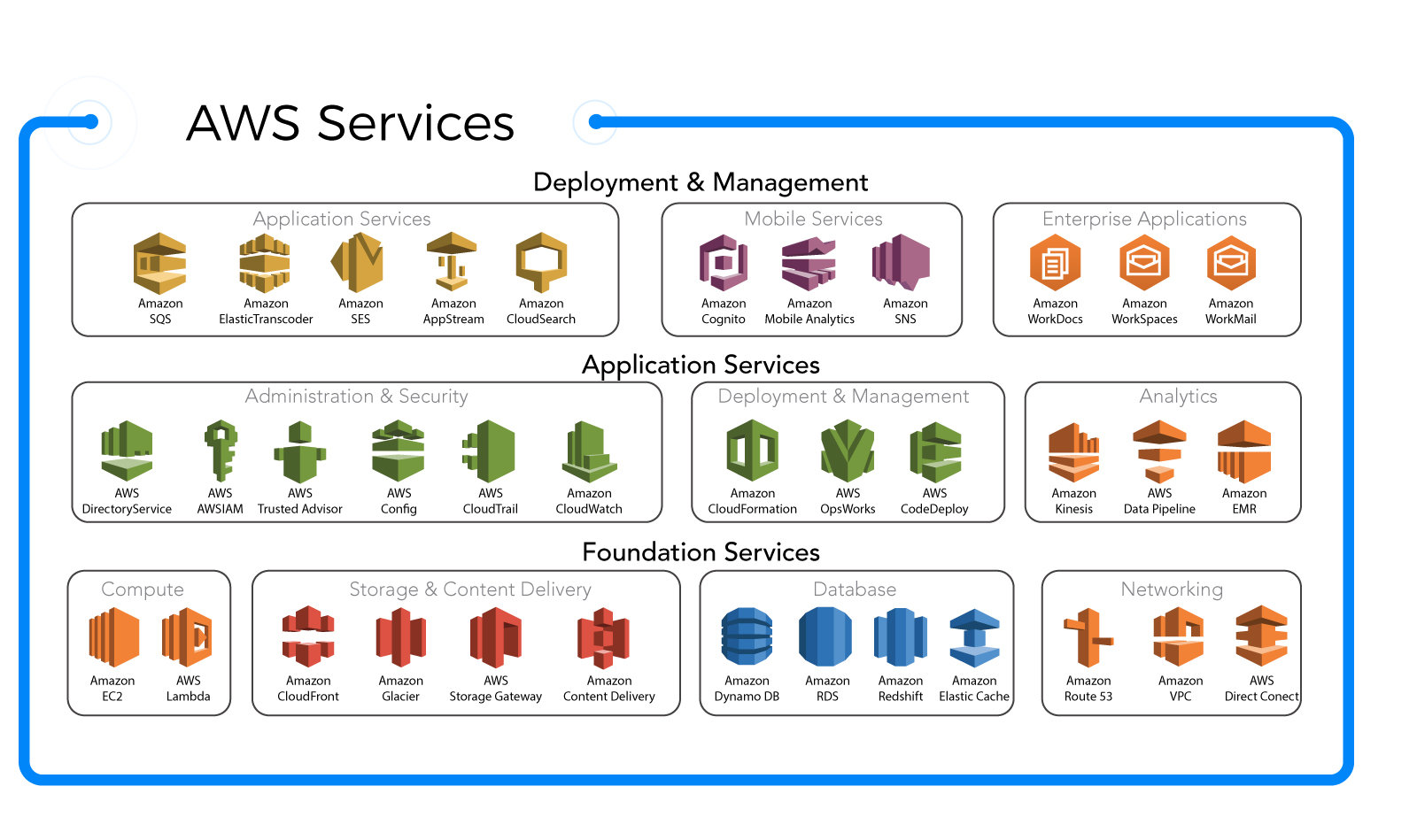
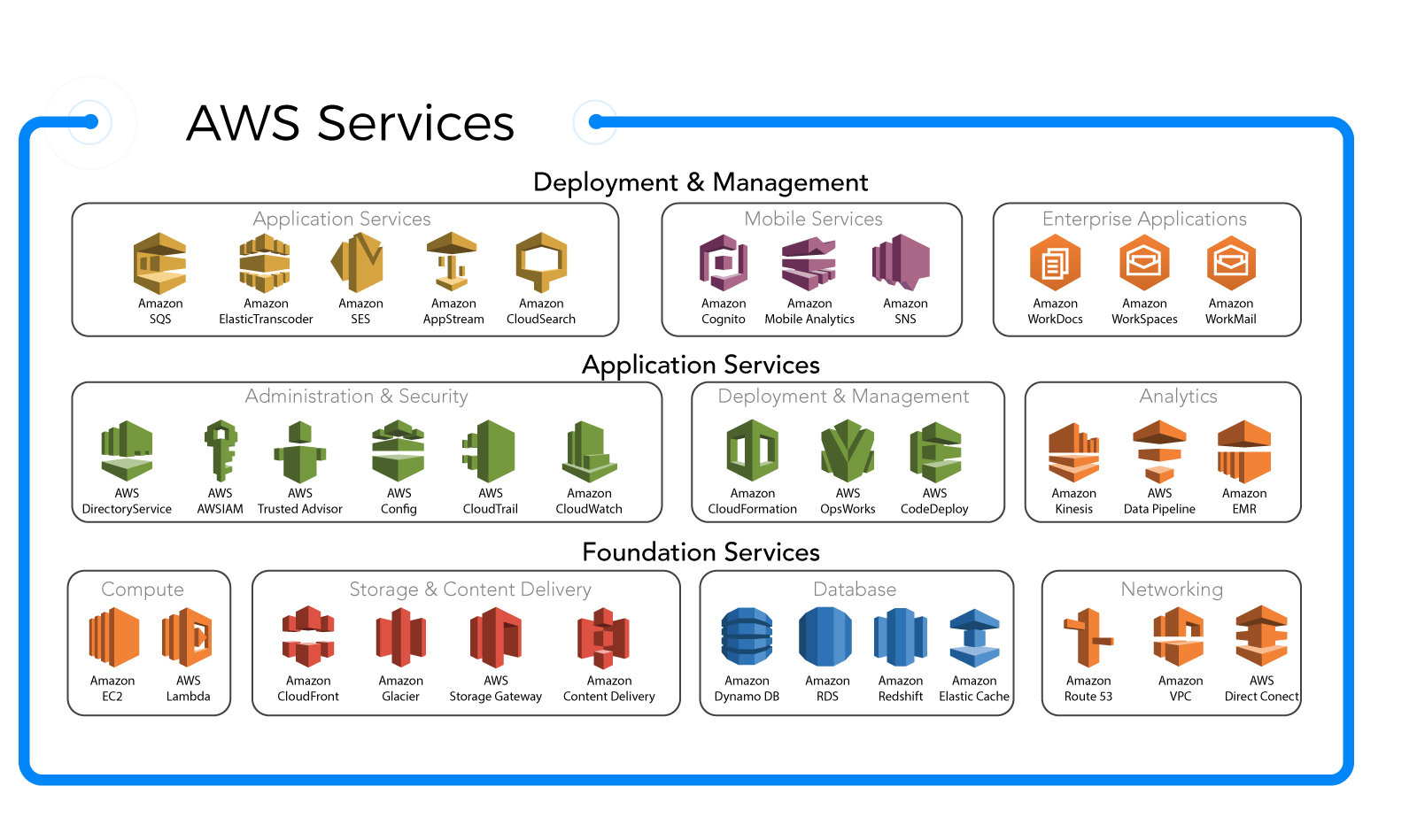
This is the largest section of the exam and covers core AWS services. You’ll need to recognize and describe the purpose of key services such as:
- Amazon EC2 (Elastic Compute Cloud) for virtual servers
- Amazon S3 (Simple Storage Service) for object storage
- Amazon VPC (Virtual Private Cloud) for network isolation
- Amazon RDS (Relational Database Service) for managed databases
- AWS Lambda for serverless computing
You don’t need to know how to deploy these services, but you should understand their use cases. For instance, S3 is ideal for storing backups, media files, or static websites, while EC2 is used when you need full control over a virtual machine.
A great resource for learning these services is the AWS Products page, which provides detailed descriptions and use cases for over 200 services.
Billing, Pricing, and Support (16% of the Exam)
One of the most practical parts of the exam, this domain ensures you understand how AWS pricing works. Topics include:
- The AWS Free Tier and how to use it
- Different pricing models (on-demand, reserved instances, spot instances)
- How to estimate costs using the AWS Pricing Calculator
- Understanding the AWS Well-Architected Framework
- Available support plans (Basic, Developer, Business, Enterprise)
You’ll also need to know how to access billing dashboards and set up billing alerts to avoid unexpected charges. This knowledge is especially valuable for managers and finance teams overseeing cloud budgets.
How to Prepare for the AWS Certified Cloud Practitioner Exam
Preparation is key to passing any certification exam, and the AWS Certified Cloud Practitioner is no exception. While it’s considered entry-level, underestimating it can lead to failure. Here’s a proven roadmap to help you succeed.
Create a Study Plan
Most candidates spend 4–6 weeks preparing for the exam. Start by reviewing the official AWS Exam Guide, which outlines all the topics covered. Break down the domains by weight and allocate study time accordingly.
A sample study plan might look like this:
- Week 1: Cloud Concepts and AWS Global Infrastructure
- Week 2: Core AWS Services (EC2, S3, VPC, Lambda, etc.)
- Week 3: Security, IAM, and Compliance
- Week 4: Billing, Pricing, and Support Models
- Week 5: Practice Exams and Review Weak Areas
- Week 6: Final Review and Exam Scheduling
Consistency is more important than cramming. Even 30–60 minutes a day can make a big difference.
Leverage Free and Paid Learning Resources
AWS offers a wealth of free resources to help you prepare. The AWS Training and Certification portal includes digital training, practice exams, and exam readiness courses.
Popular third-party platforms include:
- Udemy: Courses like ‘Ultimate AWS Certified Cloud Practitioner – 2024’ by Stephane Maarek are highly rated.
- A Cloud Guru: Offers hands-on labs and interactive learning paths.
- LinkedIn Learning: Great for visual learners with structured video content.
Don’t forget the AWS Whitepapers — especially ‘Overview of Amazon Web Services’ and ‘AWS Security Best Practices’ — which are frequently referenced in exam questions.
Take Practice Exams
Practice exams are one of the most effective study tools. They help you get comfortable with the question format, identify knowledge gaps, and improve time management.
AWS offers one free practice exam, and platforms like Tutorials Dojo and Whizlabs provide high-quality paid options. Aim to score above 80% consistently before scheduling your real exam.
“I failed my first attempt because I didn’t take enough practice tests. The second time, I scored 920 — the practice exams made all the difference.” — Maria T., Cloud Consultant
Real-World Benefits of Being an AWS Certified Cloud Practitioner
Earning the certification isn’t just about passing a test — it’s about unlocking real career and business advantages.
Career Advancement and Job Opportunities
Even though it’s an entry-level cert, the AWS Certified Cloud Practitioner opens doors. LinkedIn data shows that job postings mentioning AWS certifications grew by 24% in 2023, with Cloud Practitioner being one of the most requested entry-level credentials.
Common job roles that value this certification include:
- Cloud Support Associate
- Technical Sales Representative
- IT Project Coordinator
- Cloud Sales Manager
- Business Analyst in Tech Firms
Many professionals use this cert to transition from non-technical roles into cloud-related positions, often leading to higher salaries and faster promotions.
Increased Earning Potential
According to the 2023 Global Knowledge IT Certification Pay Survey, AWS-certified professionals earn an average of 25% more than their non-certified peers. While the Cloud Practitioner is entry-level, it often leads to higher-paying roles as you build experience.
Entry-level salaries for AWS Cloud Practitioners in the U.S. range from $60,000 to $85,000, depending on location and industry. In tech hubs like San Francisco or Seattle, salaries can exceed $90,000 with just a year of experience.
Improved Decision-Making in Business
For managers and executives, understanding AWS fundamentals helps in making informed decisions about cloud adoption, budgeting, and vendor selection. You’ll be able to ask the right questions, evaluate proposals, and communicate effectively with technical teams.
For example, knowing the difference between on-demand and reserved instances can help you save thousands on cloud bills. Understanding security compliance can prevent costly data breaches.
Common Mistakes to Avoid When Preparing for the AWS Certified Cloud Practitioner
Even smart candidates fail — often due to avoidable mistakes. Here are the most common pitfalls and how to dodge them.
Underestimating the Exam
Because it’s labeled “entry-level,” many assume the AWS Certified Cloud Practitioner exam is easy. While it’s the easiest AWS cert, it still requires dedicated study. The questions are scenario-based and designed to test your understanding, not just memorization.
Don’t skip the details. For example, knowing that S3 is for storage isn’t enough — you should also know it’s object-based, highly durable, and supports versioning.
Ignoring the Shared Responsibility Model
This is one of the most tested concepts in the exam. Many candidates confuse what AWS manages versus what the customer manages. Remember:
- AWS manages: Physical security, hardware, networking infrastructure, hypervisor
- Customer manages: OS patching, application security, IAM policies, data encryption
If a question asks who is responsible for securing an EC2 instance, the answer depends on the layer — AWS handles the host, you handle the guest.
Not Using the AWS Free Tier
The AWS Free Tier gives you 12 months of free access to popular services like EC2, S3, and Lambda. Hands-on experience, even basic exploration, helps solidify concepts. You don’t need to build complex systems — just launching an EC2 instance or uploading a file to S3 can make theoretical knowledge click.
Sign up at aws.amazon.com/free and start exploring in a safe, cost-free environment.
How to Maintain and Build on Your AWS Certified Cloud Practitioner Credential
Certification isn’t a one-time achievement — it’s the beginning of a journey. AWS certifications are valid for three years, after which you must recertify to stay current.
Recertification Process
To maintain your AWS Certified Cloud Practitioner status, you can either:
- Retake the CLF-C02 exam before your certification expires
- Pass a more advanced AWS associate or professional-level exam (this automatically recertifies your Cloud Practitioner credential)
Many professionals choose the second option, using the Cloud Practitioner as a stepping stone to higher certifications. This not only keeps you certified but also advances your career.
Next Steps After Certification
Once you’ve earned your AWS Certified Cloud Practitioner, consider these paths:
- AWS Certified Solutions Architect – Associate
- AWS Certified Developer – Associate
- AWS Certified SysOps Administrator – Associate
- AWS Certified Security – Specialty (for security-focused roles)
Each of these builds on the knowledge you gained, diving deeper into design, development, operations, or security.
Success Stories: How the AWS Certified Cloud Practitioner Changed Careers
Real people, real results. Here are a few inspiring stories from individuals who transformed their careers with this certification.
From Retail Worker to Cloud Support Technician
James K., a former retail associate, spent six months studying AWS fundamentals using free online resources. After passing the AWS Certified Cloud Practitioner exam, he landed a remote cloud support role at a managed service provider. Within a year, he earned his Solutions Architect certification and doubled his salary.
“The Cloud Practitioner cert gave me the confidence to apply for tech jobs. It proved I was serious about learning, even without a degree in computer science.” — James K.
Marketing Manager Embraces Cloud Literacy
Sarah L., a marketing manager at a SaaS startup, earned her AWS Certified Cloud Practitioner to better understand her company’s infrastructure. This helped her create more accurate product messaging and collaborate effectively with the engineering team. She was later promoted to Product Marketing Lead.
“I didn’t need to become a developer, but understanding AWS made me a better marketer in a tech company,” she said.
What is the AWS Certified Cloud Practitioner exam cost?
The AWS Certified Cloud Practitioner exam costs $100 USD. This fee is subject to change, and additional taxes may apply depending on your location. AWS occasionally offers exam vouchers through training programs or events.
How long does it take to prepare for the AWS Certified Cloud Practitioner?
Most candidates spend 4 to 6 weeks preparing, dedicating 5–10 hours per week. If you have prior IT or cloud experience, you might need less time. Beginners should allow more time for hands-on practice and concept mastery.
Is the AWS Certified Cloud Practitioner worth it?
Yes, especially if you’re starting a career in tech or work in a role influenced by cloud technology. It boosts your resume, increases earning potential, and provides a solid foundation for advanced learning. Employers value AWS certifications, and this one is the most accessible entry point.
Can I take the AWS Certified Cloud Practitioner exam online?
Yes, AWS offers online proctored exams through Pearson VUE. You can take the exam from home or office with a stable internet connection, webcam, and a quiet environment. You must meet the technical requirements before scheduling.
What happens if I fail the AWS Certified Cloud Practitioner exam?
If you fail, you can retake the exam after a 14-day waiting period. AWS allows unlimited retakes, but you must pay the full fee each time. Use your first attempt as a learning experience — review your score report to identify weak areas and adjust your study plan.
Earning the AWS Certified Cloud Practitioner certification is more than just adding a badge to your LinkedIn profile. It’s a strategic move that opens doors, builds confidence, and positions you for success in the cloud-driven future. Whether you’re starting from scratch or enhancing your current role, this certification provides the knowledge and credibility you need to thrive. The cloud isn’t coming — it’s already here. Are you ready to be part of it?
Further Reading: