Unlock the full potential of AWS with the AWS CLI—a game-changing tool that puts the power of Amazon’s cloud right in your terminal. Whether you’re automating tasks or managing infrastructure, mastering the AWS CLI is essential for any cloud professional.


What Is AWS CLI and Why It Matters

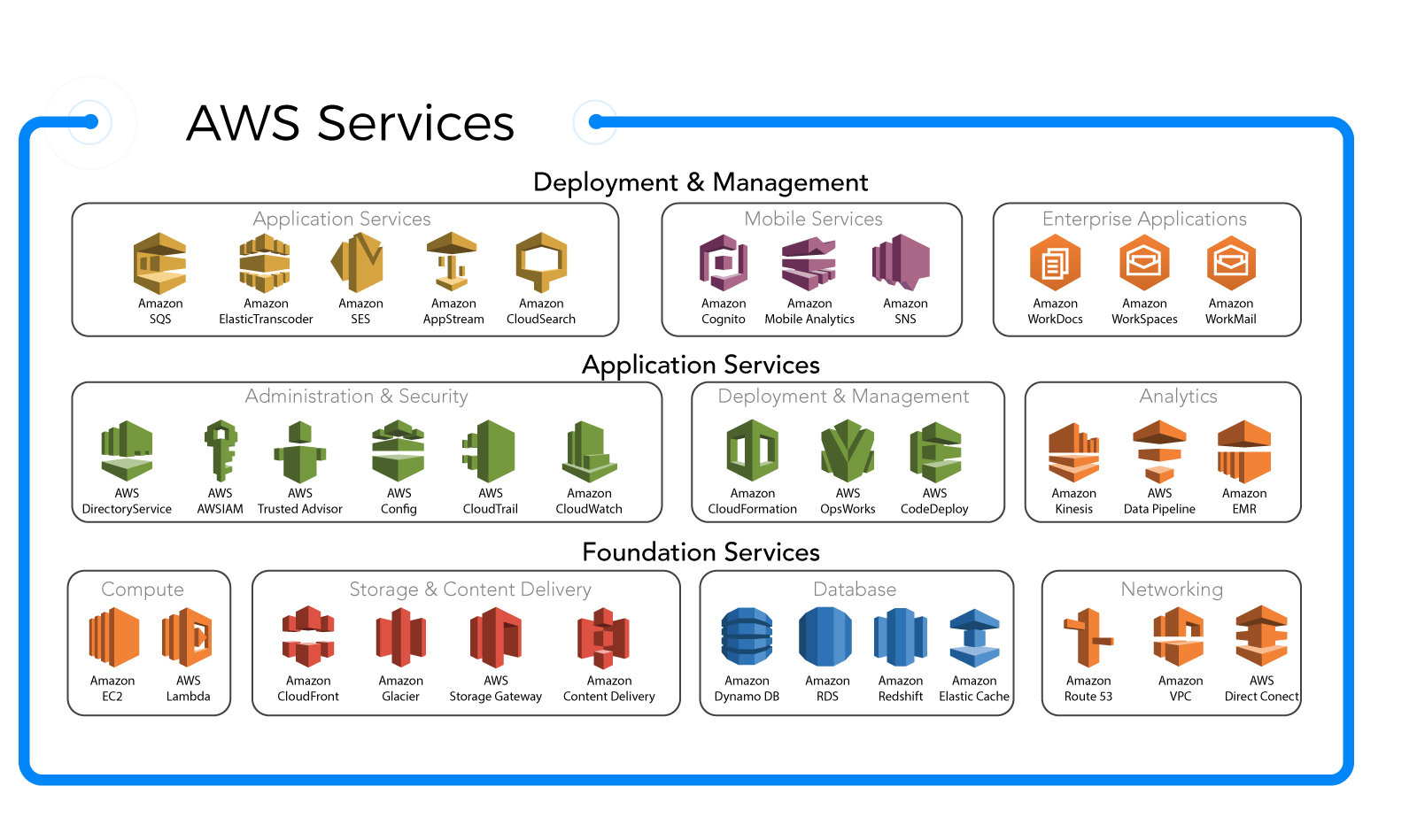
The AWS Command Line Interface (CLI) is a unified tool that allows developers, system administrators, and DevOps engineers to interact with Amazon Web Services through simple commands in a terminal or script. It provides direct access to AWS services like EC2, S3, IAM, Lambda, and hundreds more, all without needing to navigate the AWS Management Console.
Core Functionality of AWS CLI
The AWS CLI acts as a bridge between your local environment and AWS’s vast ecosystem. By typing commands, you can launch instances, upload files to S3, configure security groups, and even deploy serverless applications. It supports both interactive use and automation, making it indispensable for scripting repetitive tasks.
- Direct access to over 200 AWS services
- Supports JSON, text, and table output formats
- Enables scripting and automation via shell scripts
One of the biggest advantages of using the AWS CLI is consistency. Instead of clicking through different UIs, you can standardize operations across teams and environments. This reduces human error and increases efficiency, especially in large-scale deployments.
How AWS CLI Compares to Other Tools
While the AWS Management Console offers a visual way to manage resources, the AWS CLI provides precision, speed, and repeatability. Unlike GUIs, which can vary slightly between updates, the CLI maintains a stable interface. Compared to SDKs, which require programming knowledge, the CLI is accessible to non-developers like sysadmins or operations staff.
“The AWS CLI is the Swiss Army knife of cloud management—compact, powerful, and essential.” — Cloud Infrastructure Expert
Additionally, tools like Terraform or CloudFormation are great for infrastructure-as-code, but they often have a steeper learning curve. The AWS CLI, on the other hand, allows immediate execution of commands, making it ideal for troubleshooting, exploration, and rapid prototyping.
Installing and Configuring AWS CLI
Before you can start using the AWS CLI, you need to install and configure it properly. The process varies slightly depending on your operating system, but Amazon provides clear documentation for all major platforms: Windows, macOS, and Linux.
Installation Steps for Different OS
For Linux and macOS users, the AWS CLI can be installed using package managers or direct installers. On most Linux distributions, you can use pip (Python’s package installer) if Python is already installed:
pip install awscli --upgrade --user- Verify installation with
aws --version
On macOS, you can also use Homebrew: brew install awscli. For Windows, download the MSI installer from the official AWS CLI page, run it, and follow the prompts. Once installed, the aws command becomes available in Command Prompt or PowerShell.
Initial Configuration with aws configure
After installation, run aws configure to set up your credentials and default settings. You’ll need:
- AWS Access Key ID
- AWS Secret Access Key
- Default region name (e.g., us-east-1)
- Default output format (json, text, or table)
These credentials are typically generated from the AWS Identity and Access Management (IAM) console. Never hardcode them in scripts—use IAM roles or temporary credentials when possible. The configuration is stored in ~/.aws/credentials and ~/.aws/config, so ensure these files are protected.
Pro Tip: Use IAM roles with temporary security tokens for enhanced security, especially in production environments.
Mastering AWS CLI Commands and Syntax
Understanding the structure of AWS CLI commands is crucial for effective usage. Every command follows a consistent pattern: aws [service] [operation] [options]. For example, aws s3 ls lists all S3 buckets, while aws ec2 describe-instances retrieves information about EC2 instances.
Understanding Command Structure
The basic syntax breaks down as follows:
- aws: Invokes the CLI tool
- service: The AWS service (e.g., s3, ec2, lambda)
- operation: The action to perform (e.g., create, delete, describe)
- options: Flags like
--region,--profile, or--output
You can explore available commands using aws help or aws [service] help. For instance, aws s3 help shows all S3-related operations. Each command comes with detailed documentation, including required parameters and examples.
Commonly Used Commands and Examples
Here are some frequently used AWS CLI commands:
aws s3 cp local-file.txt s3://my-bucket/– Upload a file to S3aws ec2 start-instances --instance-ids i-1234567890abcdef0– Start an EC2 instanceaws lambda invoke --function-name my-function output.txt– Invoke a Lambda functionaws cloudformation deploy --template-file template.yaml --stack-name mystack– Deploy a CloudFormation stack
Using these commands in scripts allows for powerful automation. For example, you can write a bash script that backs up logs to S3 every night using aws s3 sync.
Authentication and Security Best Practices
Security is paramount when working with AWS. Since the AWS CLI uses long-term credentials or temporary tokens to authenticate API calls, improper handling can lead to data breaches or unauthorized access.
Using IAM Roles and Temporary Credentials
IAM roles are a secure way to grant permissions without sharing long-term access keys. When running the AWS CLI on an EC2 instance, assign an IAM role to the instance instead of storing credentials locally. The CLI automatically retrieves temporary credentials via the instance metadata service.
You can also use AWS Security Token Service (STS) to assume roles programmatically:
aws sts assume-role --role-arn arn:aws:iam::123456789012:role/MyRole --role-session-name MySession
This returns temporary credentials that can be exported as environment variables, reducing the risk of key exposure.
Managing Multiple Profiles Securely
The AWS CLI supports multiple named profiles, which is useful when managing different accounts (e.g., development, staging, production). Create profiles using:
aws configure --profile devaws configure --profile prod
Then, switch between them using the --profile flag: aws s3 ls --profile prod. Store sensitive profiles securely and avoid committing them to version control. Use tools like aws-vault to encrypt and manage credentials locally.
Never commit AWS credentials to Git repositories. Use .gitignore and credential management tools to protect secrets.
Automation and Scripting with AWS CLI
One of the most powerful aspects of the AWS CLI is its ability to automate cloud operations. By integrating CLI commands into shell scripts, CI/CD pipelines, or cron jobs, you can streamline repetitive tasks and reduce manual errors.
Writing Bash Scripts for Common Tasks
Here’s a simple bash script that backs up a directory to S3:
#!/bin/bash
BUCKET="my-backup-bucket"
FOLDER="/var/log/app-logs"
TIMESTAMP=$(date +%Y%m%d-%H%M%S)
aws s3 sync $FOLDER s3://$BUCKET/logs-$TIMESTAMP
This script can be scheduled using cron to run daily. Similarly, you can automate EC2 instance management, such as stopping non-production instances at night to save costs.
Integrating AWS CLI in CI/CD Pipelines
In DevOps workflows, the AWS CLI is often used in CI/CD tools like Jenkins, GitHub Actions, or GitLab CI. For example, after building a web application, a pipeline might use the AWS CLI to deploy static assets to S3 and invalidate a CloudFront cache:
aws s3 sync build/ s3://my-website-bucket --deleteaws cloudfront create-invalidation --distribution-id ABC123 --paths "/index.html"
To secure these pipelines, use temporary credentials from IAM roles assigned to the build server or CI environment, rather than storing access keys in environment variables.
Advanced Features: Pagination, Filtering, and Output Control
As your use of the AWS CLI grows, you’ll encounter large datasets and complex responses. Fortunately, the CLI offers advanced features to handle these scenarios efficiently.
Handling Large Result Sets with Pagination
Many AWS API calls return paginated results. By default, the AWS CLI automatically handles pagination, fetching all pages unless you disable it with --no-paginate. For example:
aws ec2 describe-instanceswill return all instances across all pages- You can limit results with
--max-items 10or control starting point with--starting-token
This is particularly useful when listing thousands of S3 objects or CloudWatch logs.
Filtering Results with Query and JMESPath
The --query parameter allows you to filter and format JSON output using JMESPath, a powerful query language. For example, to get only the instance IDs and types of running EC2 instances:
aws ec2 describe-instances --query 'Reservations[*].Instances[*].[InstanceId,InstanceType]' --output table
You can also filter based on conditions:
aws ec2 describe-instances --query 'Reservations[*].Instances[?State.Name==`running`].InstanceId'
This reduces the need for external parsing tools like jq, although they can still be used in combination.
Troubleshooting and Debugging AWS CLI Issues
Even experienced users encounter issues with the AWS CLI—whether it’s authentication errors, permission issues, or unexpected behavior. Knowing how to troubleshoot effectively saves time and prevents downtime.
Common Errors and How to Fix Them
Frequent issues include:
- “Unable to locate credentials”: Run
aws configureor check if the correct profile is specified - “Access Denied”: Verify IAM policies attached to the user/role have required permissions
- “Unknown output type”: Ensure the output format (json, text, table) is spelled correctly
- “SSL certificate error”: Update your system’s CA certificates or CLI version
Always double-check region settings—some services are not available in all regions.
Using Verbose Logging and Debug Mode
To diagnose deeper issues, use the --debug flag:
aws s3 ls --debug
This outputs detailed logs, including HTTP requests, responses, and authentication steps. Look for 403 (Forbidden), 404 (Not Found), or 500 (Internal Error) status codes. The debug log also shows which credentials are being used and from where they were loaded.
Debug mode is your best friend when something goes wrong. It reveals the hidden layers of CLI operations.
Best Practices for Efficient AWS CLI Usage
To get the most out of the AWS CLI, follow industry best practices that enhance security, performance, and maintainability.
Use Named Profiles for Environment Separation
Create separate profiles for development, testing, and production environments. This prevents accidental changes to critical systems. For example:
aws s3 ls --profile devaws dynamodb scan --table-name users --profile prod
You can also set a default profile using the AWS_DEFAULT_PROFILE environment variable.
Leverage AWS CLI Auto-Prompt Mode
Introduced in AWS CLI v2, the auto-prompt feature provides real-time suggestions as you type. Enable it with:
aws configure set cli_auto_prompt on
This turns your terminal into an interactive assistant, showing available commands, parameters, and even documentation snippets. It’s especially helpful for learning new services or exploring unfamiliar operations.
Keep AWS CLI Updated
Amazon regularly updates the AWS CLI with new features, bug fixes, and support for newly launched services. Check your current version with aws --version and update using:
pip install --upgrade awscli(for pip installations)- Or re-run the installer for standalone versions
Staying up-to-date ensures compatibility and access to the latest capabilities.
What is AWS CLI used for?
The AWS CLI is used to manage Amazon Web Services from the command line. It allows users to perform actions like launching EC2 instances, managing S3 buckets, configuring IAM roles, and automating cloud operations through scripts.
How do I install AWS CLI on Windows?
Download the MSI installer from the official AWS website, run it, and follow the setup wizard. After installation, open Command Prompt or PowerShell and run aws --version to verify it works.
Can I use AWS CLI without storing access keys?
Yes. You can use IAM roles on EC2 instances or temporary credentials via AWS STS. Tools like aws-vault also help manage credentials securely without exposing long-term keys.
How do I switch between multiple AWS accounts using CLI?
Use named profiles with aws configure --profile profile-name. Then, specify the profile in commands using --profile profile-name. You can also set a default profile via environment variables.
What is the difference between AWS CLI v1 and v2?
AWS CLI v2 includes features like auto-prompt mode, improved installation, better error messages, and built-in support for SSO. It’s more user-friendly and recommended over v1 for new installations.
Mastering the AWS CLI is a critical skill for anyone working in the AWS ecosystem. From installation and configuration to automation and troubleshooting, this tool offers unmatched control and flexibility. By following best practices in security, scripting, and command usage, you can streamline workflows, reduce errors, and unlock the full power of the cloud. Whether you’re a beginner or an advanced user, continuous learning and experimentation with the AWS CLI will keep you ahead in the fast-evolving world of cloud computing.
Further Reading: