Kickstarting your cloud career? The AWS Cloud Practitioner Certification isn’t just a badge—it’s your golden ticket to understanding Amazon Web Services from the ground up. Simple, valuable, and globally recognized.


What Is the AWS Cloud Practitioner Certification?

The AWS Certified Cloud Practitioner is the entry-level certification offered by Amazon Web Services (AWS), designed for individuals who want to demonstrate a solid understanding of the AWS Cloud. It’s the first step in the AWS certification path and ideal for those new to cloud computing or professionals from non-technical backgrounds who work closely with cloud-based projects.
Who Should Take This Certification?
This certification is not limited to developers or system administrators. It’s perfect for sales professionals, project managers, finance teams, and business analysts who need a foundational grasp of cloud concepts and AWS services. If you interact with cloud technology in any capacity, this certification helps you speak the language of the cloud fluently.
- IT professionals seeking cloud validation
- Non-technical staff in tech companies
- Students exploring cloud careers
- Business decision-makers evaluating cloud solutions
According to AWS’s official certification page, the exam validates your ability to articulate key AWS services, security, architecture, pricing, and support models.
Prerequisites and Exam Requirements
One of the biggest advantages of the AWS Cloud Practitioner Certification is that it has no mandatory prerequisites. However, AWS recommends at least six months of exposure to AWS Cloud—whether through hands-on experience, training, or self-study. This foundational knowledge ensures you understand basic cloud concepts and the AWS ecosystem.
The exam, known as CLF-C02 (as of 2023), consists of 65 multiple-choice and multiple-response questions, with a time limit of 90 minutes. You need a score of 700 out of 1000 to pass. The exam is available in multiple languages and can be taken at Pearson VUE test centers or online via remote proctoring.
“The Cloud Practitioner cert is the gateway to AWS. It’s not about deep technical skills—it’s about understanding the cloud mindset.” — AWS Training and Certification Team
Why Pursue the AWS Cloud Practitioner Certification?
Earning the AWS Cloud Practitioner Certification offers more than just a line on your resume. It’s a strategic move that opens doors, boosts credibility, and enhances your understanding of one of the most dominant cloud platforms in the world. Whether you’re aiming for a career shift or want to upskill within your current role, this certification delivers tangible benefits.
Global Recognition and Industry Credibility
AWS is the world’s leading cloud provider, powering over 4 million workloads globally. Holding an AWS certification immediately signals to employers that you understand the platform that runs a significant portion of the internet. The Cloud Practitioner certification is recognized by top tech firms, government agencies, and Fortune 500 companies as a mark of foundational cloud competence.
aws cloud practitioner certification – Aws cloud practitioner certification menjadi aspek penting yang dibahas di sini.
LinkedIn reports that AWS skills are among the top 10 most in-demand technical skills worldwide. By earning this certification, you position yourself ahead of peers who lack formal cloud validation. It’s not just about knowing AWS—it’s about proving it.
Career Advancement and Salary Boost
Even as an entry-level credential, the AWS Cloud Practitioner Certification can lead to salary increases and new job opportunities. According to Burning Glass Labor Market Insights, job postings requiring AWS Cloud Practitioner skills offer an average salary premium of 15-20% over non-certified roles.
Roles such as Cloud Support Associate, Technical Sales Representative, and IT Project Coordinator often list this certification as a preferred or required qualification. For those transitioning into cloud roles, it serves as a powerful differentiator in a competitive job market.
- Increased employability in cloud-related roles
- Higher starting salaries in entry-level cloud jobs
- Greater confidence in technical discussions
Exam Structure and Domains of the AWS Cloud Practitioner Certification
To succeed in the AWS Cloud Practitioner exam, you must understand its structure and the four core domains it covers. Each domain contributes a specific percentage to your overall score, so knowing the weightage helps you prioritize your study time effectively.
Domain 1: Cloud Concepts (26%)
This domain tests your understanding of fundamental cloud principles. You’ll need to explain the benefits of cloud computing, such as elasticity, scalability, and cost-efficiency. You should also be able to differentiate between on-premises, hybrid, and cloud environments.
Key topics include:
- Defining cloud computing and its characteristics (on-demand, pay-as-you-go, etc.)
- Understanding the differences between IaaS, PaaS, and SaaS
- Explaining the benefits of high availability and fault tolerance
- Recognizing the shared responsibility model in cloud security
A solid grasp of these concepts ensures you can articulate why organizations move to the cloud and how AWS supports those transitions.
Domain 2: Security and Compliance (25%)
Security is a top concern for any organization adopting cloud technology. This domain evaluates your knowledge of AWS security best practices, compliance programs, and identity management.
aws cloud practitioner certification – Aws cloud practitioner certification menjadi aspek penting yang dibahas di sini.
You’ll be tested on:
- The AWS Shared Responsibility Model—what AWS manages vs. what the customer manages
- Using AWS Identity and Access Management (IAM) to control user access
- Understanding encryption methods and AWS services like KMS (Key Management Service)
- Familiarity with compliance standards such as GDPR, HIPAA, and SOC
According to AWS Security Resources, security is built into every layer of the AWS platform, and this domain ensures you understand how to leverage those features responsibly.
“Security in the cloud is a shared responsibility. AWS manages the security *of* the cloud; you manage security *in* the cloud.” — AWS Security Best Practices
Domain 3: Technology (33%)
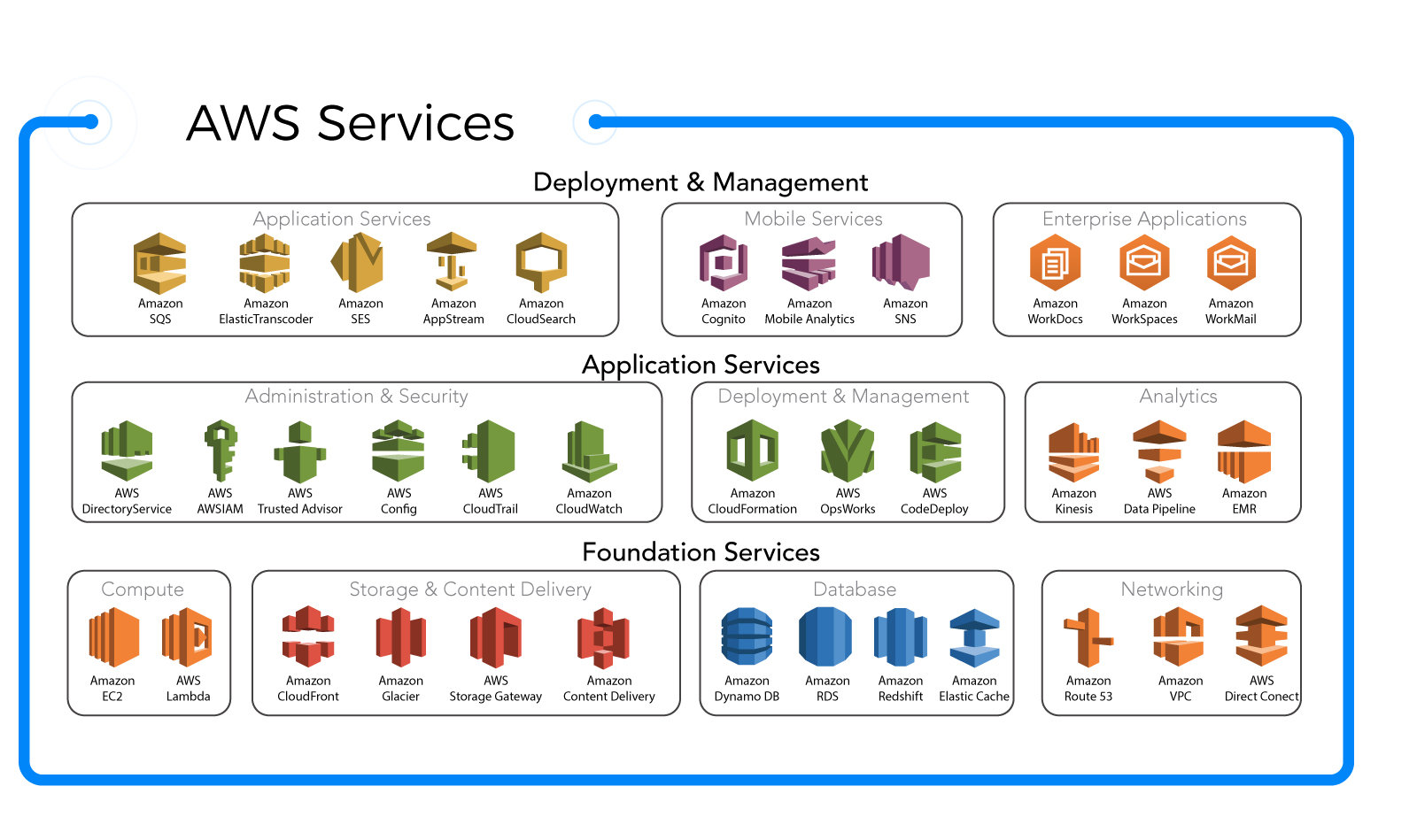
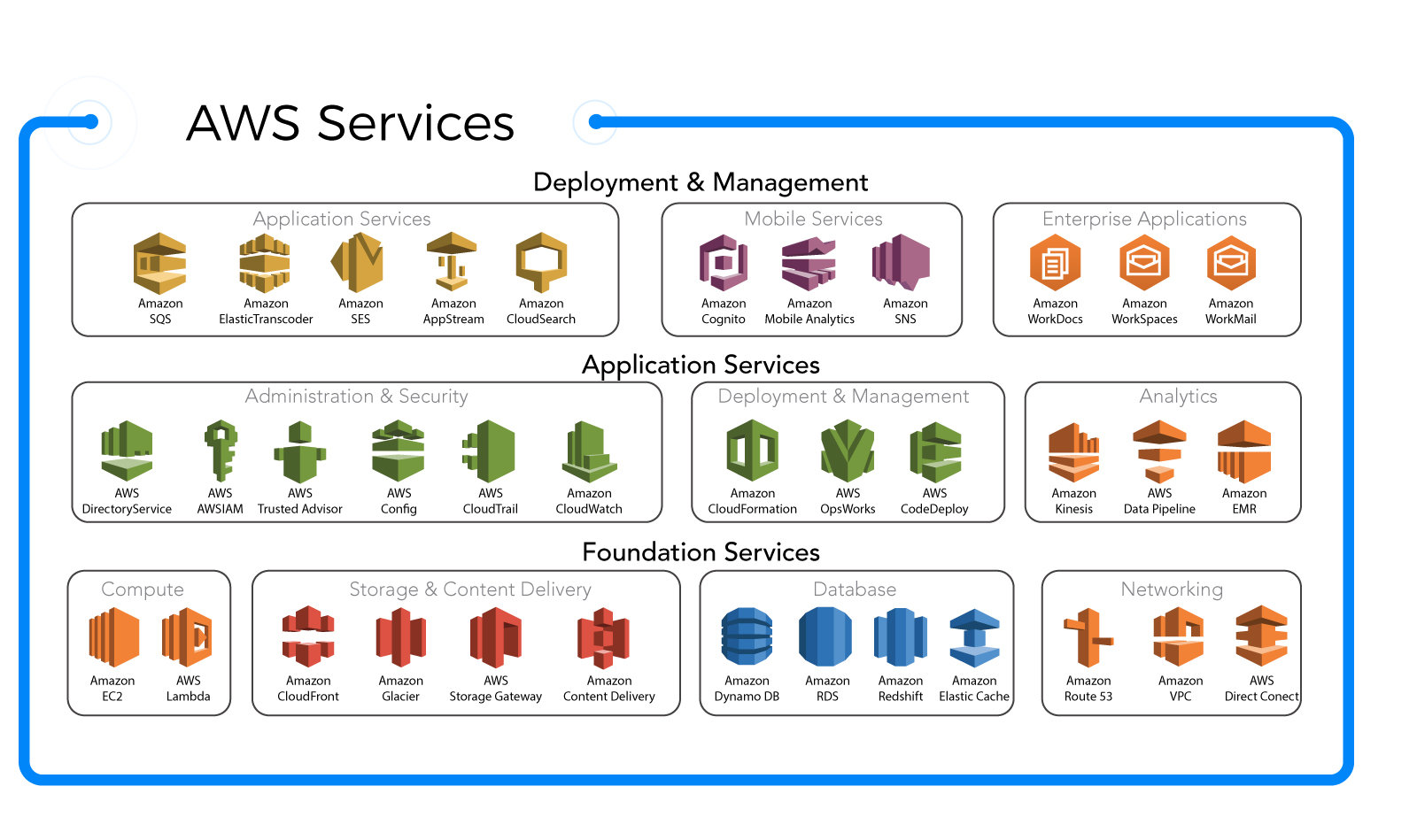
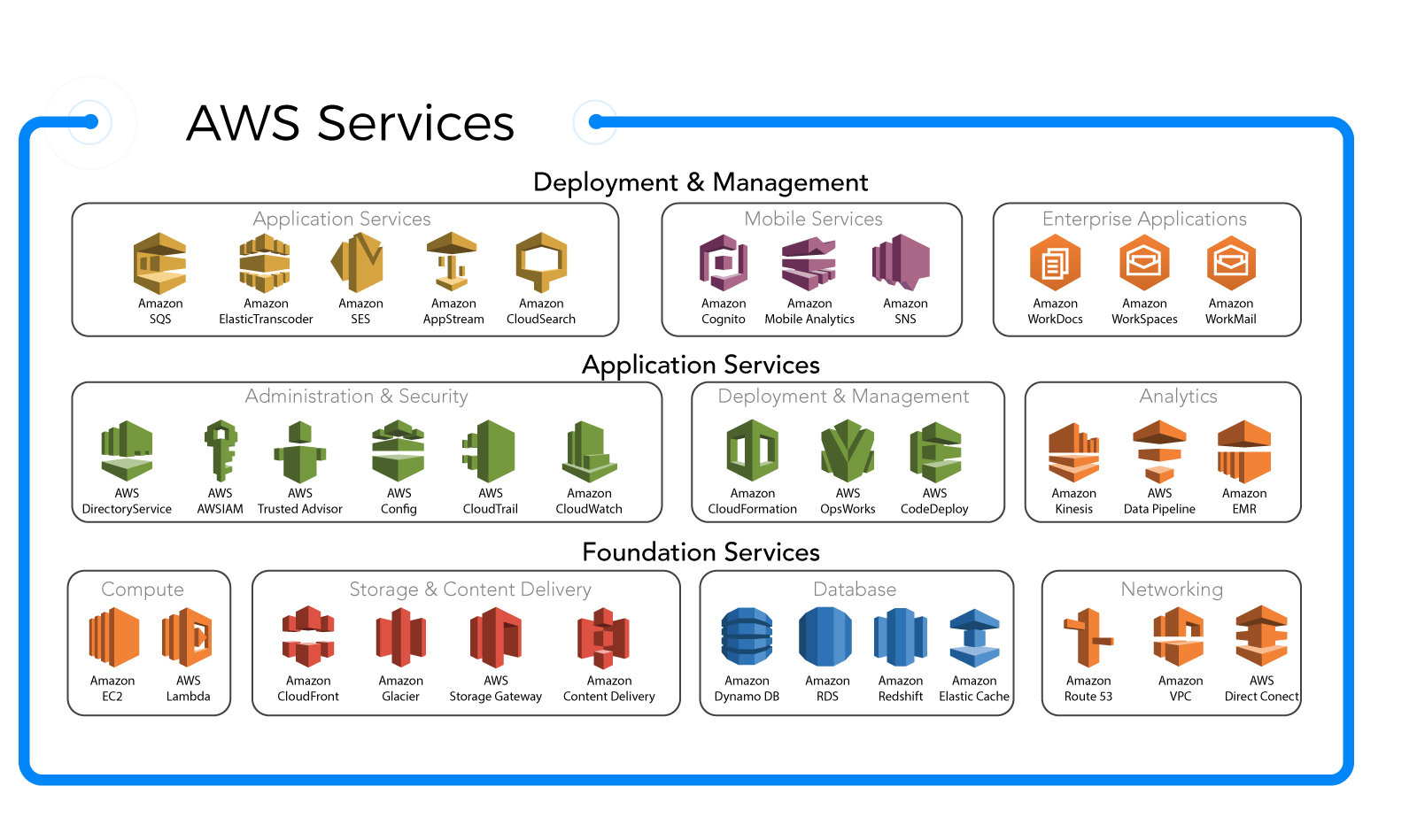
This is the largest domain and focuses on AWS services and their use cases. You’ll need to identify core AWS services like EC2, S3, RDS, Lambda, and VPC, and understand their primary functions.
Key areas include:
- Compute services: EC2, Lambda, Elastic Beanstalk
- Storage services: S3, EBS, Glacier
- Database services: RDS, DynamoDB, Redshift
- Networking: VPC, Route 53, CloudFront
- Global infrastructure: Regions, Availability Zones, Edge Locations
You don’t need to know how to configure these services in depth, but you must understand their purpose and when to use them. For example, knowing that S3 is for object storage while EBS is for block storage attached to EC2 instances is crucial.
Domain 4: Billing and Pricing (16%)
One of the most practical domains, this section tests your ability to understand AWS pricing models, cost management tools, and budgeting strategies. Employers value professionals who can explain costs and optimize spending.
Topics include:
- Pay-as-you-go pricing vs. Reserved Instances and Savings Plans
- Using the AWS Pricing Calculator and Total Cost of Ownership (TCO) Calculator
- Monitoring costs with AWS Budgets and Cost Explorer
- Understanding the AWS Free Tier and its limitations
Mastering this domain helps you contribute to cost-effective cloud decisions, making you a valuable asset to any organization.
aws cloud practitioner certification – Aws cloud practitioner certification menjadi aspek penting yang dibahas di sini.
How to Prepare for the AWS Cloud Practitioner Certification
Preparation is key to passing the AWS Cloud Practitioner exam. While the exam is considered entry-level, it covers a broad range of topics that require structured study and hands-on familiarity with the AWS platform.
Create a Study Plan
Start by allocating 4–6 weeks for preparation, depending on your prior knowledge. Break down the four exam domains into weekly goals. For example:
- Week 1: Cloud Concepts and AWS Global Infrastructure
- Week 2: Core AWS Services (Compute, Storage, Database)
- Week 3: Security, IAM, and Compliance
- Week 4: Pricing, Billing, and Cost Management
- Week 5–6: Practice Exams and Review Weak Areas
Use the official AWS Exam Guide as your roadmap. It outlines all the knowledge areas and provides sample questions.
Leverage Free and Paid Learning Resources
AWS offers a wealth of free resources to help you prepare. The AWS Training and Certification portal includes digital training, practice exams, and learning paths. Key resources include:
- AWS Cloud Practitioner Essentials: A free, self-paced course covering all exam domains
- AWS Skill Builder: Offers both free and paid learning paths with hands-on labs
- Practice Exams: Available on AWS and third-party platforms like Whizlabs and Tutorials Dojo
For those who prefer structured video courses, platforms like Udemy, Coursera, and A Cloud Guru offer comprehensive AWS Cloud Practitioner courses with real-world examples and quizzes.
Gain Hands-On Experience
No amount of theory can replace actual experience. Sign up for the AWS Free Tier, which gives you 12 months of free access to popular services like EC2, S3, and Lambda (within usage limits).
Try these beginner-friendly exercises:
- Create an S3 bucket and upload a file
- Launch a free-tier EC2 instance and connect via SSH
- Set up an IAM user with limited permissions
- Explore the AWS Management Console and navigate service dashboards
Hands-on practice reinforces theoretical knowledge and builds confidence for exam day.
aws cloud practitioner certification – Aws cloud practitioner certification menjadi aspek penting yang dibahas di sini.
Common Mistakes to Avoid When Taking the AWS Cloud Practitioner Certification Exam
Even with solid preparation, many candidates fail the exam due to avoidable mistakes. Being aware of these pitfalls can significantly improve your chances of passing on the first attempt.
Underestimating the Breadth of the Exam
Because it’s an entry-level exam, some candidates assume it’s easy and don’t study thoroughly. While no deep technical skills are required, the exam covers a wide range of topics. You must understand concepts across all four domains, not just the ones you’re familiar with.
For example, someone with a networking background might focus too much on VPCs and neglect billing concepts, only to be surprised by cost-optimization questions.
“The Cloud Practitioner exam is broad, not deep. You need a mile-wide, inch-deep understanding of AWS.” — AWS Community Forum
Not Practicing with Realistic Exam Questions
Reading documentation and watching videos is helpful, but it’s not enough. You must practice with realistic exam-style questions to get used to the format and timing. Many questions are scenario-based, requiring you to apply knowledge rather than recall facts.
Use official AWS practice exams or reputable third-party providers. Analyze why you got questions wrong and revisit those topics. This active learning approach is far more effective than passive reading.
Ignoring Time Management During the Exam
With 65 questions in 90 minutes, you have about 1.4 minutes per question. Some questions are straightforward, while others are complex and time-consuming. If you get stuck on a difficult question, mark it and move on. You can return later if time permits.
Poor time management leads to rushed answers on easier questions at the end, which is a common cause of failure.
What Comes After the AWS Cloud Practitioner Certification?
Earning the AWS Cloud Practitioner Certification is just the beginning. It lays the foundation for more advanced AWS certifications and specialized career paths in cloud computing.
aws cloud practitioner certification – Aws cloud practitioner certification menjadi aspek penting yang dibahas di sini.
Next-Level AWS Certifications
Once you’ve passed the Cloud Practitioner exam, consider advancing to role-based certifications:
- AWS Certified Solutions Architect – Associate: Ideal for designing distributed systems on AWS
- AWS Certified Developer – Associate: Focused on developing and maintaining AWS applications
- AWS Certified SysOps Administrator – Associate: For operations and deployment on AWS
- AWS Certified DevOps Engineer – Professional: For advanced CI/CD and automation
Each of these certifications builds on the knowledge gained from the Cloud Practitioner exam, allowing you to specialize based on your career goals.
Career Paths Enabled by AWS Certification
The Cloud Practitioner certification can open doors to various roles, including:
- Cloud Support Engineer
- Technical Account Manager
- Cloud Sales Specialist
- IT Consultant
- Cloud Project Coordinator
For technical professionals, it’s a stepping stone to roles like Solutions Architect, DevOps Engineer, or Cloud Security Specialist. For non-technical professionals, it enhances credibility in cloud sales, marketing, or management roles.
“I started in sales. The AWS Cloud Practitioner cert helped me understand customer pain points and speak confidently with technical teams. It changed my career.” — Maria T., Cloud Sales Executive
Real-World Impact of the AWS Cloud Practitioner Certification
Beyond passing an exam, the AWS Cloud Practitioner Certification delivers real-world value. It equips you with the knowledge to make informed decisions, collaborate effectively, and contribute meaningfully to cloud initiatives.
Improved Collaboration Across Teams
In modern organizations, cloud projects involve cross-functional teams. When sales, finance, and operations understand AWS basics, communication improves. A project manager with the Cloud Practitioner certification can better estimate timelines, understand technical constraints, and align stakeholders.
For example, knowing the difference between S3 and EBS helps a non-technical manager ask the right questions during a project review, leading to better outcomes.
Enhanced Problem-Solving and Decision-Making
The certification teaches you to think in terms of cloud economics, security, and scalability. You’ll learn to evaluate trade-offs—like choosing between on-demand and reserved instances based on usage patterns.
aws cloud practitioner certification – Aws cloud practitioner certification menjadi aspek penting yang dibahas di sini.
This analytical mindset is valuable not just in IT, but in strategic planning and budgeting. Companies increasingly expect all leaders to have at least a foundational understanding of cloud technology.
FAQ
Is the AWS Cloud Practitioner Certification worth it?
Yes, especially if you’re new to cloud computing. It validates your foundational knowledge, boosts your resume, and opens doors to further certifications and career opportunities. Many employers view it as a sign of initiative and technical awareness.
How long does it take to prepare for the AWS Cloud Practitioner exam?
Most candidates spend 4–6 weeks preparing, studying 5–10 hours per week. If you have prior cloud experience, you might need less time. Beginners should allow more time for hands-on practice and concept mastery.
Can I take the AWS Cloud Practitioner exam online?
Yes, the exam is available through Pearson VUE’s online proctoring service. You can take it from home or office, provided you meet the technical and environmental requirements (stable internet, quiet room, webcam, etc.).
How much does the AWS Cloud Practitioner exam cost?
aws cloud practitioner certification – Aws cloud practitioner certification menjadi aspek penting yang dibahas di sini.
The exam fee is $100 USD. AWS occasionally offers free exam vouchers through training events, bootcamps, or promotions on the AWS Skill Builder platform.
Does the AWS Cloud Practitioner Certification expire?
Yes, it’s valid for three years. You can recertify by passing the current exam or by earning a higher-level AWS certification before your current one expires.
Passing the AWS Cloud Practitioner Certification is more than a milestone—it’s a career accelerator. It builds confidence, enhances credibility, and provides a solid foundation for deeper AWS expertise. Whether you’re technical or non-technical, this certification empowers you to thrive in the cloud-first world.
Further Reading: