Looking to scale your cloud operations fast? AWS Marketplace is your one-stop digital catalog for discovering, buying, and deploying software that runs on AWS. It’s powerful, seamless, and built for speed.

What Is AWS Marketplace and How Does It Work?

AWS Marketplace is a curated digital catalog operated by Amazon Web Services (AWS) that enables customers to find, purchase, and instantly deploy third-party software and services that run on the AWS Cloud. It simplifies the procurement and deployment of software, eliminating traditional friction like lengthy negotiations, manual installations, or complex licensing.
A Digital Storefront for Cloud Software
Think of AWS Marketplace as the ‘App Store’ for enterprise cloud software. Instead of visiting multiple vendor websites, downloading trial versions, and manually configuring environments, users can browse thousands of pre-vetted software solutions directly from the AWS console. Whether it’s security tools, data analytics platforms, machine learning models, or developer tools, everything is available in one place.
- Over 7,000 software listings from more than 2,000 independent software vendors (ISVs).
- Supports various deployment models: SaaS, AMIs (Amazon Machine Images), containers, and machine learning products.
- Integrated billing through AWS, so no separate invoicing or credit card entry is required.
How AWS Marketplace Simplifies Software Procurement
Traditionally, acquiring enterprise software involved months of evaluation, legal reviews, and IT setup. AWS Marketplace slashes this timeline from months to minutes. With just a few clicks, you can launch a fully configured software instance on AWS infrastructure.
For example, if you need a firewall solution like Palo Alto VM-Series, you can find it in AWS Marketplace, choose your license model (hourly, annual, etc.), select your AWS region, and deploy it—all without leaving the AWS Management Console.
“AWS Marketplace has transformed how enterprises consume software—making it as easy as ordering a book on Amazon.” — AWS Executive, 2023
Key Features That Make AWS Marketplace a Game-Changer
AWS Marketplace isn’t just a software directory—it’s a fully integrated ecosystem designed to accelerate cloud adoption, reduce operational overhead, and improve vendor-customer relationships.
Seamless Integration with AWS Ecosystem
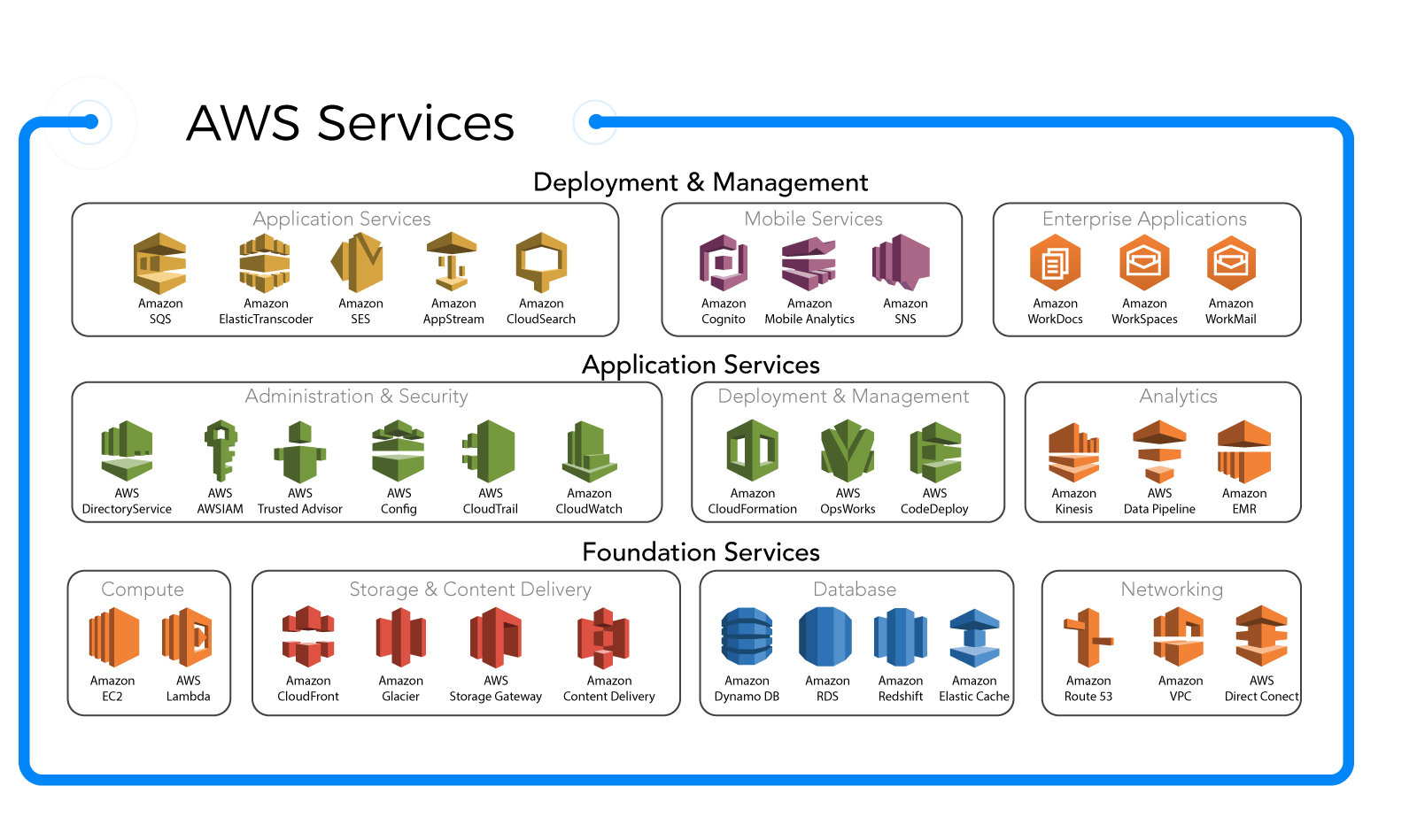
One of the biggest strengths of AWS Marketplace is its deep integration with AWS services. When you deploy a product from the marketplace, it automatically connects with core AWS components like EC2, S3, IAM, and CloudWatch. This ensures consistent security policies, monitoring, and cost tracking across your entire environment.
- Products are pre-configured with AWS best practices.
- Supports AWS Organizations for centralized management across multiple accounts.
- Enables integration with AWS Service Catalog for enterprise governance.
Flexible Pricing and Licensing Models
AWS Marketplace offers multiple pricing models to suit different business needs:
- Pay-as-you-go (Hourly or Monthly): Ideal for startups and testing environments.
- Annual Subscriptions: Cost-effective for long-term deployments.
- Free Trials and Freemium Models: Let users test before committing.
- Bring Your Own License (BYOL): For customers who already own software licenses.
This flexibility empowers businesses to scale up or down without financial lock-in. For instance, a company running a temporary data migration project can use a database tool on an hourly basis and shut it down after completion—only paying for what they used.
Benefits of Using AWS Marketplace for Enterprises
Enterprises are increasingly turning to AWS Marketplace to streamline software acquisition, reduce time-to-value, and maintain compliance. The platform delivers tangible ROI across multiple dimensions.
Accelerated Time-to-Deployment
In traditional IT environments, deploying new software could take weeks due to procurement delays, compatibility checks, and configuration tasks. With AWS Marketplace, deployment time drops to minutes.
A study by AWS customer success stories shows that organizations using AWS Marketplace reduced their software deployment time by up to 90%. For example, a global bank deployed a fraud detection solution in under 30 minutes during a critical security upgrade.
Centralized Billing and Cost Management
All purchases made through AWS Marketplace appear on your regular AWS bill. This eliminates the need for separate vendor invoices, simplifies accounting, and improves budget forecasting.
- Consolidated billing across all AWS services and third-party software.
- Real-time cost tracking via AWS Cost Explorer.
- Support for AWS Budgets to set spending alerts.
This centralized approach is especially valuable for large enterprises with multiple departments using different tools. Finance teams gain full visibility into software spend, while IT avoids shadow IT proliferation.
How AWS Marketplace Empowers Independent Software Vendors (ISVs)
AWS Marketplace isn’t just beneficial for buyers—it’s a powerful growth engine for software vendors. By listing their products on the platform, ISVs gain access to millions of AWS customers worldwide.
Global Reach and Customer Acquisition
For ISVs, especially startups and mid-sized companies, reaching enterprise customers can be challenging. AWS Marketplace acts as a distribution channel with built-in trust and credibility.
- Vendors can reach over 1 million active AWS customers.
- AWS handles payment processing, reducing friction in the sales cycle.
- Products are discoverable via AWS search, category filters, and recommendations.
According to AWS, vendors who join the marketplace see an average increase of 40% in new customer acquisition within the first six months.
Reduced Operational Overhead for Vendors
Managing software licensing, billing, and customer onboarding can be resource-intensive. AWS Marketplace offloads much of this burden:
- AWS manages metering, billing, and invoicing.
- Vendors receive payments automatically (typically within 60 days).
- Integration with AWS Marketplace APIs allows automation of provisioning and usage reporting.
This allows ISVs to focus on product innovation rather than operational logistics. For example, a DevOps tool vendor can spend more time improving CI/CD pipelines instead of chasing invoices.
Security and Compliance in AWS Marketplace
Security is a top concern when adopting third-party software. AWS Marketplace addresses this through rigorous vetting, transparency, and integration with AWS security services.
Rigorous Vendor and Product Vetting Process
Before a product is listed on AWS Marketplace, it undergoes a strict review process. AWS evaluates:
- Software functionality and performance.
- Security best practices (e.g., encryption, patching).
- Compliance with data protection regulations (e.g., GDPR, HIPAA).
- Clear documentation and support policies.
This ensures that only high-quality, secure, and reliable software makes it to the catalog. While AWS doesn’t guarantee every product, the vetting process significantly reduces risk for buyers.
Integration with AWS Security Services
Once deployed, software from AWS Marketplace can be monitored and secured using native AWS tools:
- AWS Identity and Access Management (IAM): Control who can access deployed software.
- Amazon GuardDuty: Detect suspicious behavior in real time.
- AWS Config: Ensure compliance with organizational policies.
- AWS Artifact: Access compliance reports for regulated industries.
For example, a healthcare provider using a HIPAA-compliant EHR system from AWS Marketplace can enforce encryption, audit access logs, and generate compliance reports—all within the AWS ecosystem.
Use Cases: Real-World Applications of AWS Marketplace
AWS Marketplace is used across industries for a wide range of applications. From startups to Fortune 500 companies, organizations leverage it to solve real business problems.
DevOps and Developer Tools
Development teams use AWS Marketplace to quickly spin up tools for CI/CD, monitoring, and code quality. Popular tools include:
- Jenkins (open-source automation server).
- Datadog (monitoring and analytics).
- GitLab Runner (for CI/CD pipelines).
Instead of manually installing and configuring these tools, developers can launch them in minutes with pre-built AMIs or container images.
Data Analytics and Business Intelligence
Organizations use AWS Marketplace to deploy advanced analytics platforms without infrastructure headaches. Examples include:
- Tableau Server for visual analytics.
- Looker (now part of Google Cloud) for embedded analytics.
- Matillion ETL for data integration on Redshift.
These tools integrate seamlessly with AWS data services like Amazon Redshift, S3, and Athena, enabling rapid insights from large datasets.
How to Get Started with AWS Marketplace: A Step-by-Step Guide
Getting started with AWS Marketplace is straightforward, whether you’re a first-time user or an experienced AWS customer.
Step 1: Access AWS Marketplace
Navigate to aws.amazon.com/marketplace and sign in with your AWS account. No additional registration is required.
Step 2: Search and Compare Products
Use the search bar to find software by name, category, or use case. You can filter results by:
- Deployment method (AMI, SaaS, container).
- Pricing model (hourly, annual, free).
- Customer ratings and reviews.
- Compliance certifications (e.g., SOC 2, ISO 27001).
Step 3: Deploy and Configure
After selecting a product, click “Continue to Subscribe.” Review the pricing and terms, then confirm. AWS will guide you through deployment options, such as choosing an EC2 instance type, VPC, and security groups.
Once deployed, the software appears in your AWS console, and you can manage it like any other AWS resource.
Future Trends: The Evolution of AWS Marketplace
AWS Marketplace is continuously evolving to meet changing market demands. Several trends are shaping its future:
Growth of SaaS Offerings
While early AWS Marketplace offerings were mostly AMIs, there’s a growing shift toward SaaS (Software-as-a-Service) products. These are easier to manage, auto-scale, and integrate with other cloud services.
- SaaS products now account for over 30% of new listings.
- Vendors prefer SaaS for predictable recurring revenue.
- Customers benefit from lower maintenance and automatic updates.
AI and Machine Learning Integration
AWS Marketplace is becoming a hub for AI/ML models and pre-trained algorithms. Data scientists can now deploy models for natural language processing, image recognition, and predictive analytics with minimal setup.
- Examples: Hugging Face transformers, SageMaker JumpStart models.
- Models are available as containers or APIs.
- Usage is metered and billed through AWS, just like compute resources.
This democratizes access to cutting-edge AI, allowing even small teams to leverage sophisticated models without building them from scratch.
What is AWS Marketplace?
AWS Marketplace is a digital catalog that allows customers to discover, purchase, and deploy third-party software that runs on AWS. It simplifies software procurement by offering pre-configured solutions with integrated billing and fast deployment.
Is AWS Marketplace free to use?
Yes, accessing and browsing AWS Marketplace is free. You only pay for the software products you subscribe to, which are billed through your AWS account. Some products offer free trials or freemium models.
Can I sell my software on AWS Marketplace?
Yes, independent software vendors (ISVs) can list their products on AWS Marketplace. AWS provides tools and support for onboarding, metering, billing, and customer management. Visit AWS Partner Network to get started.
How does billing work in AWS Marketplace?
All purchases are billed through your AWS account. Charges appear on your monthly AWS bill, and you can track spending using AWS Cost Explorer and Budgets. AWS handles payment collection and distributes funds to vendors.
Are products on AWS Marketplace secure?
AWS conducts a vetting process for all listed products to ensure they meet security and compliance standards. However, customers are responsible for configuring security settings (e.g., IAM roles, network policies) and monitoring usage.
From accelerating software deployment to empowering vendors and enhancing security, AWS Marketplace is a transformative platform in the cloud ecosystem. Whether you’re a buyer looking for ready-to-use solutions or a seller aiming to scale globally, it offers unmatched convenience, speed, and integration. As cloud adoption grows, AWS Marketplace will continue to evolve, becoming even more central to how businesses consume and deliver software.
Recommended for you 👇
Further Reading: